Louis XIII un roi de guerre
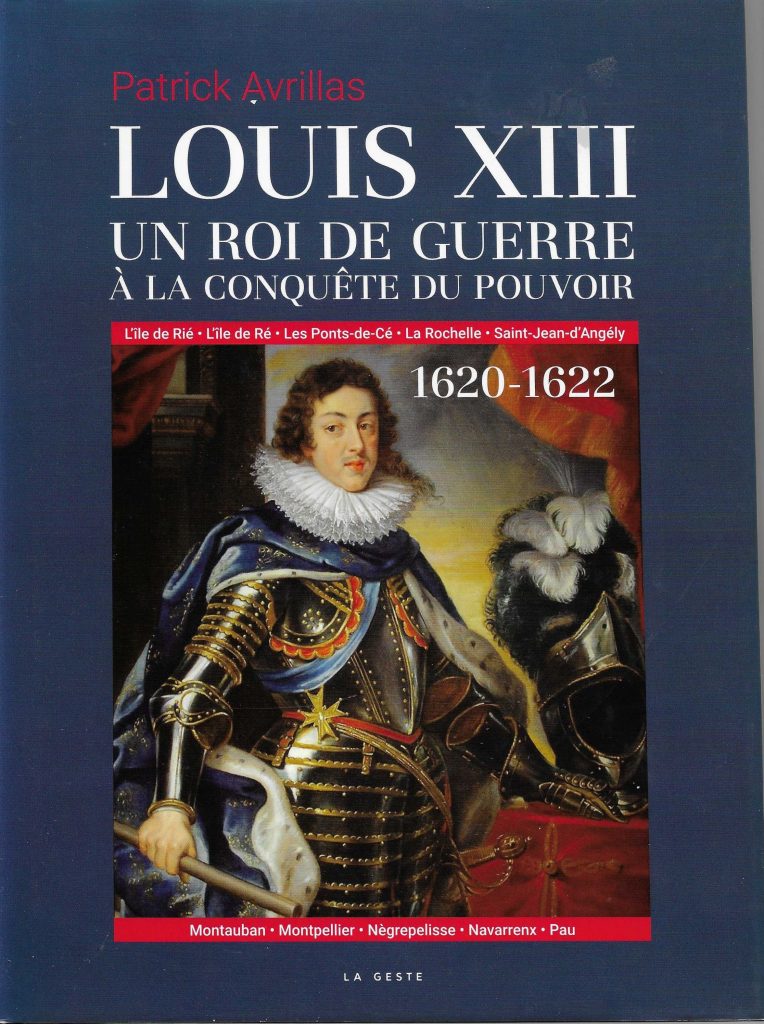
Louis XIII un Roi de guerre La représentation de Richelieu sur la digue de La Rochelle accapare l’imagerie traditionnelle du règne de Louis XIII. Pourtant, le roi de France, dans les années 1620, avait acquis seul, sa gloire militaire et montré aux puissances européennes l’étendue de ses mérites. Trois campagnes militaires entreprises, entre 1620 et 1622, pour mater l’opposition de Marie de Médicis et la rébellion d’une communauté protestante rêvant à une République, permirent à l’audacieux monarque d’affirmer son autorité et de se révéler, à vingt ans, en grand roi de guerre. La marche vers l’absolutisme, jugé salutaire pour l’unité du royaume, imposait au pouvoir d’orienter les consciences que l’édit de Nantes avait rendues libres. En pleine genèse, l’opinion publique devait se nourrir d’une histoire officielle délicieusement écrite par l’entourage du roi. À peine les fumées des combats étaient-elles dissipées qu’artistes et hommes de lettres succédaient aux hommes de guerre. Mémoires, libelles, médailles, eaux-fortes, vitraux, tapisseries, chaque victoire de Louis XIII était transformée en triomphe, et tous les théâtres de guerre accédaient au rang de haut-lieu d’histoire. Mythifiés à la fois par la plume et le pinceau, des territoires, des places fortes ou des îles apparaîtront, bien avant le Grand Siège de La Rochelle, comme les berceaux mémorables de la monarchie absolue. En s’appuyant sur une collection iconographique exceptionnelle, en partie inédite, ce livre d’histoire, d’art et de littérature offre un regard nouveau sur trois années de guerres civiles étonnamment négligées par l’historiographie traditionnelle. Réf. : LUP3157 Année d’édition : 2019 Edition : Brochée Format : 20,3 x 26 cm Isbn : 979-10-353-0473-7 Nombre de pages : 328 Prix : € 30,00 Richelieu’s representation on the La Rochelle dyke dominates the traditional imagery of Louis XIII’s reign. However, in the 1620s, the King of France had single-handedly acquired his military glory and demonstrated to thex European powers the extent of his merits. Three military campaigns undertaken between 1620 and 1622 to quell the opposition of Marie de Medici and the rebellion of a Protestant community dreaming of a republic, enabled the audacious monarch to assert his authority and reveal himself, at the age of twenty, as a great warrior king. The march towards absolutism, deemed beneficial for the unity of the kingdom, required those in power to guide the consciences that the Edict of Nantes had rendered free. In its infancy, public opinion had to be fed with an official history delightfully written by the king’s entourage. No sooner had the smoke of battle cleared than artists and men of letters succeeded the men of war. Memoirs, pamphlets, medals, etchings, stained glass windows, tapestries: every victory of Louis XII was transformed into a triumph, and all the theatres of war were elevated to the status of historical landmarks. Mythologised by both pen and brush, territories, strongholds and islands emerged, long before the Great Siege of La Rochelle, as the memorable cradles of the absolute monarchy. Drawing on an exceptional collection of images, some of which have never been published before, this book on history, art and literature offers a new perspective on three years of civil wars that have been surprisingly neglected by traditional historiography. Accueil Accueil