Galerie de l'inauguration du monument et du chemin de mémoire

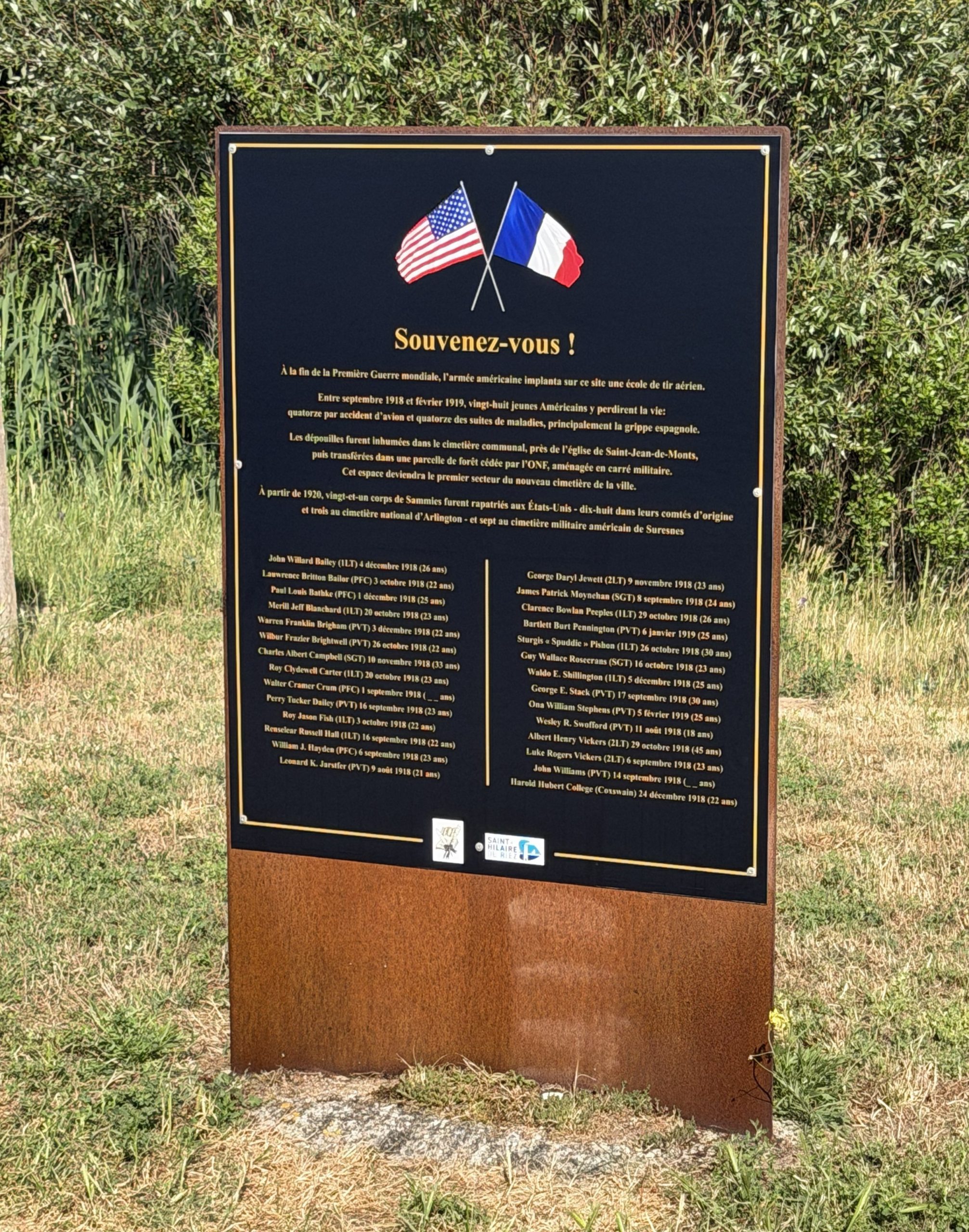
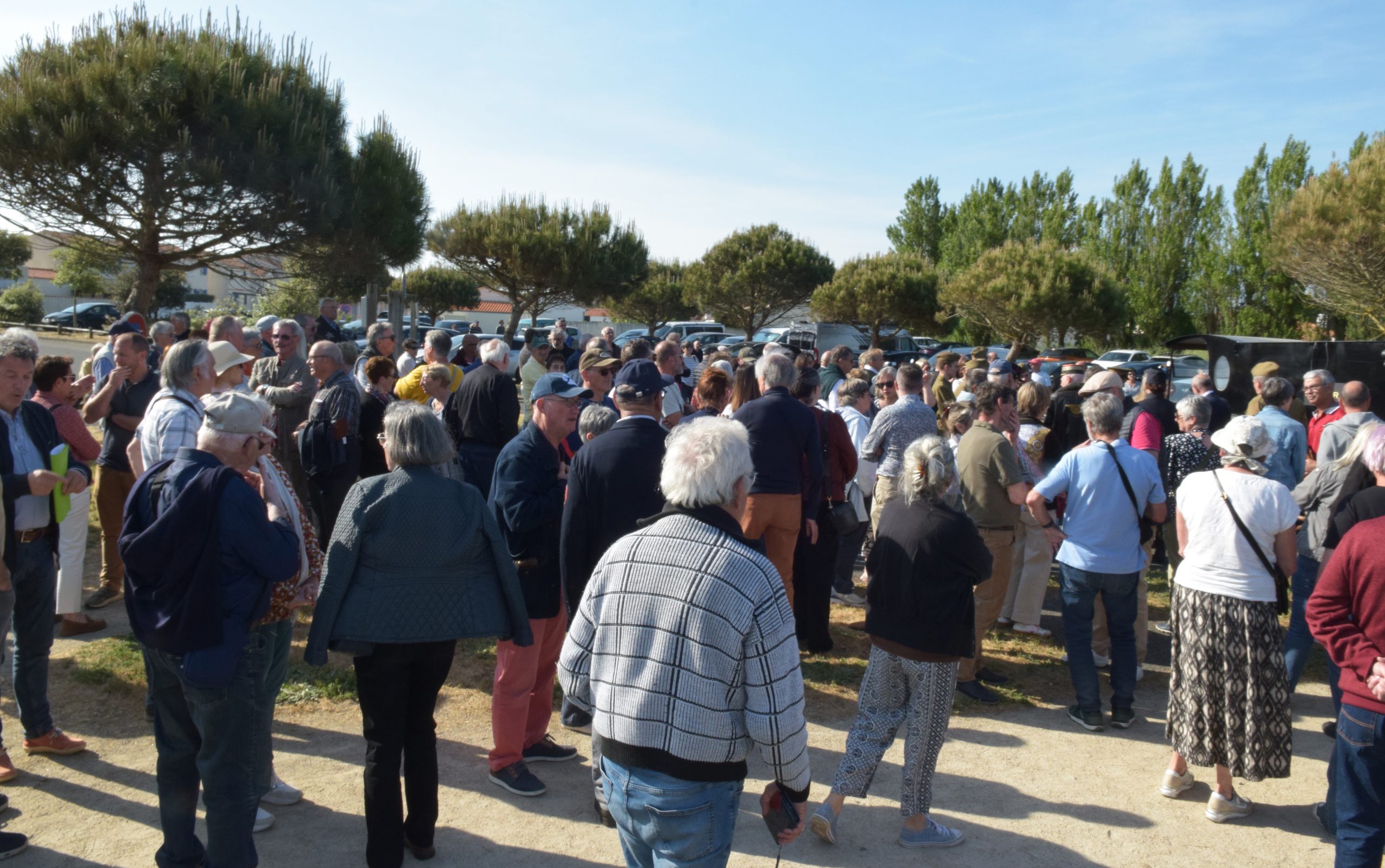
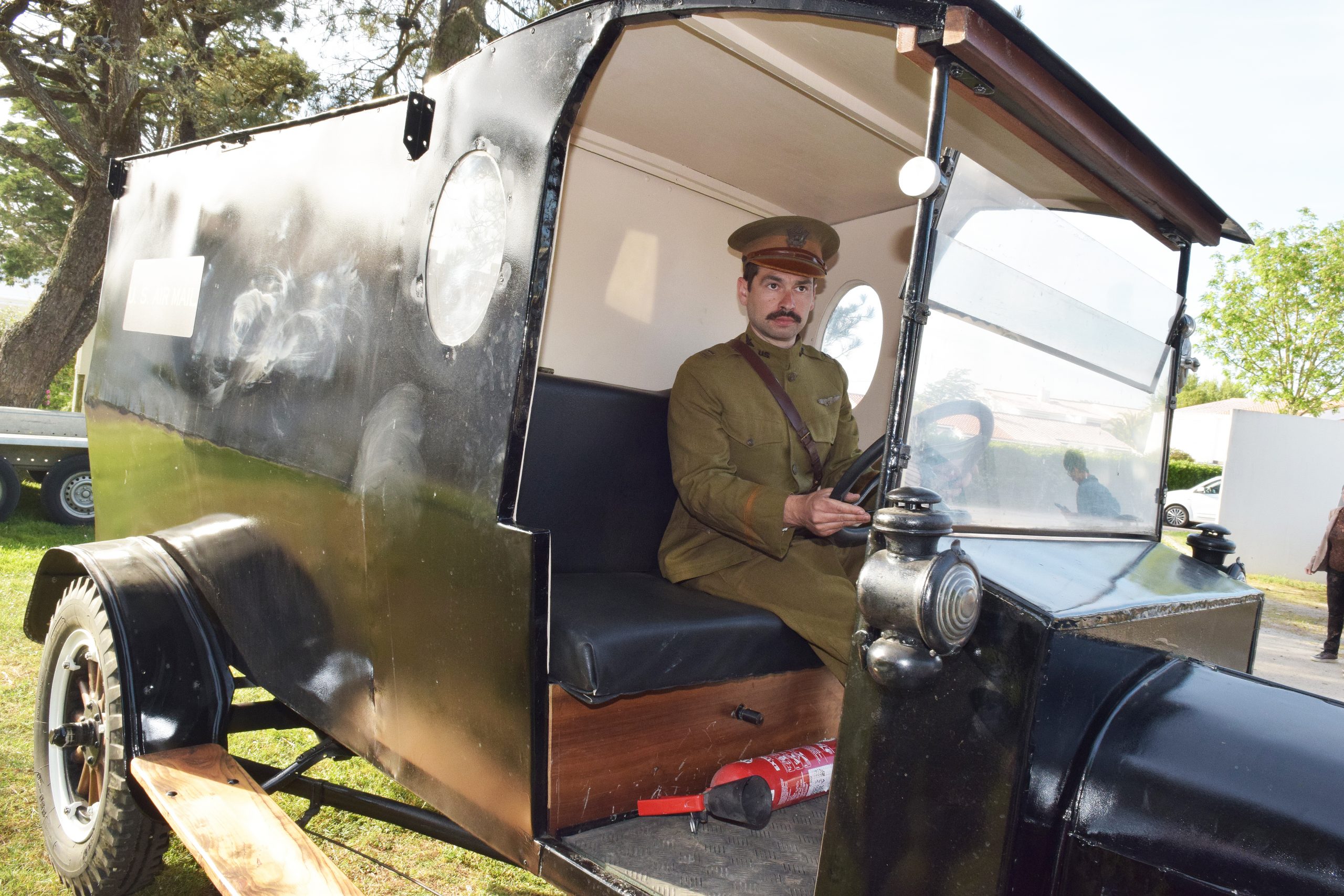
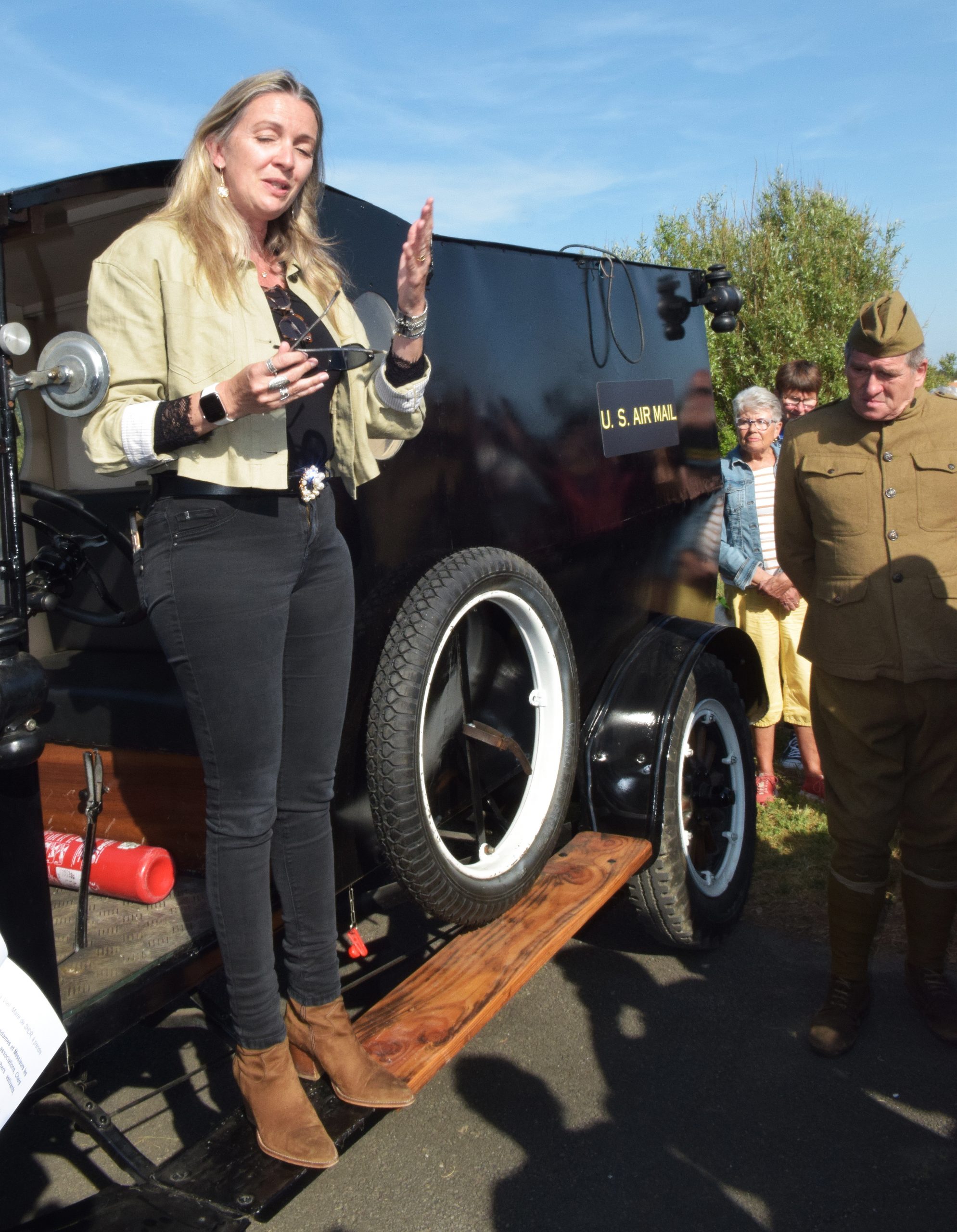

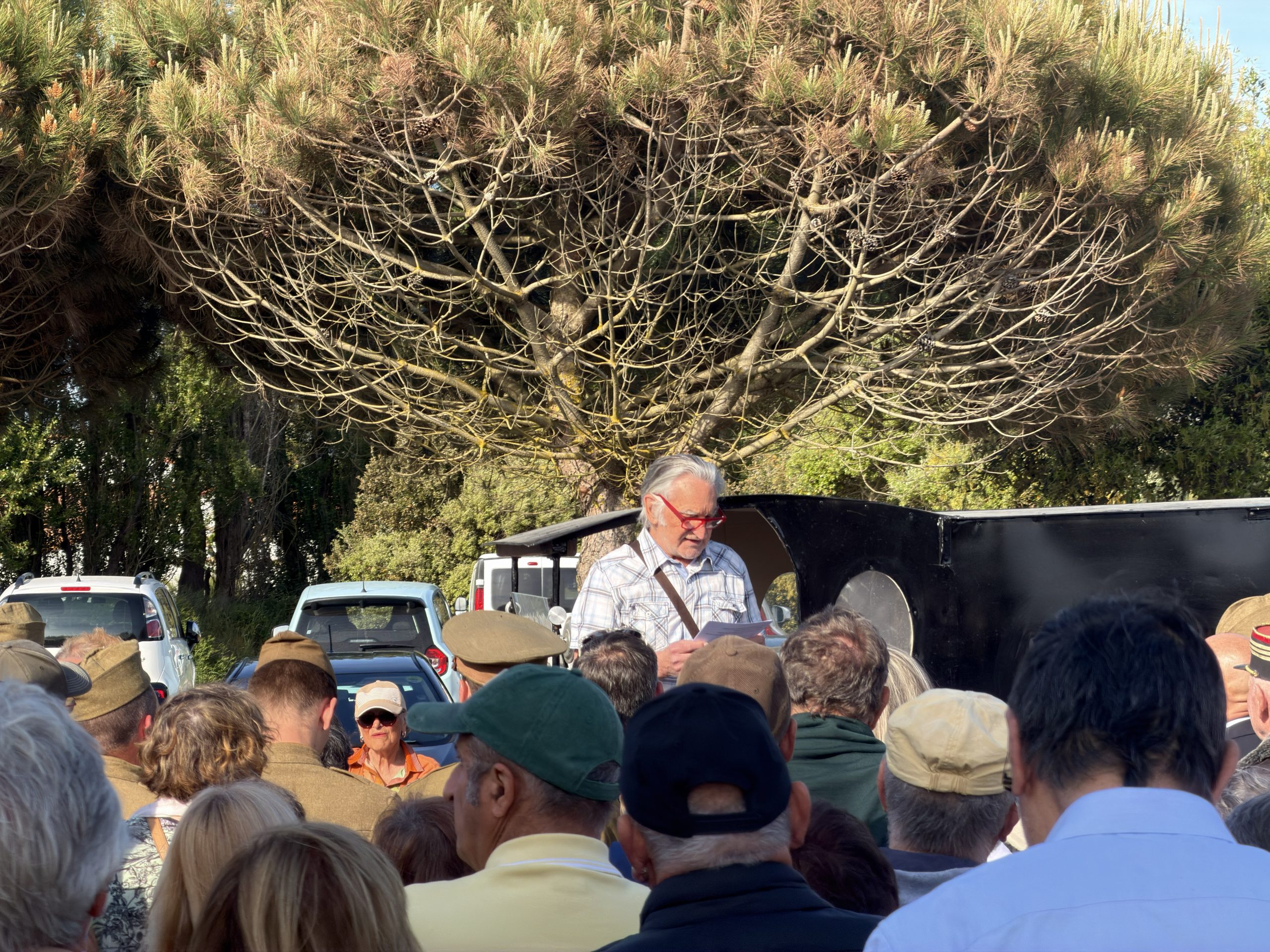
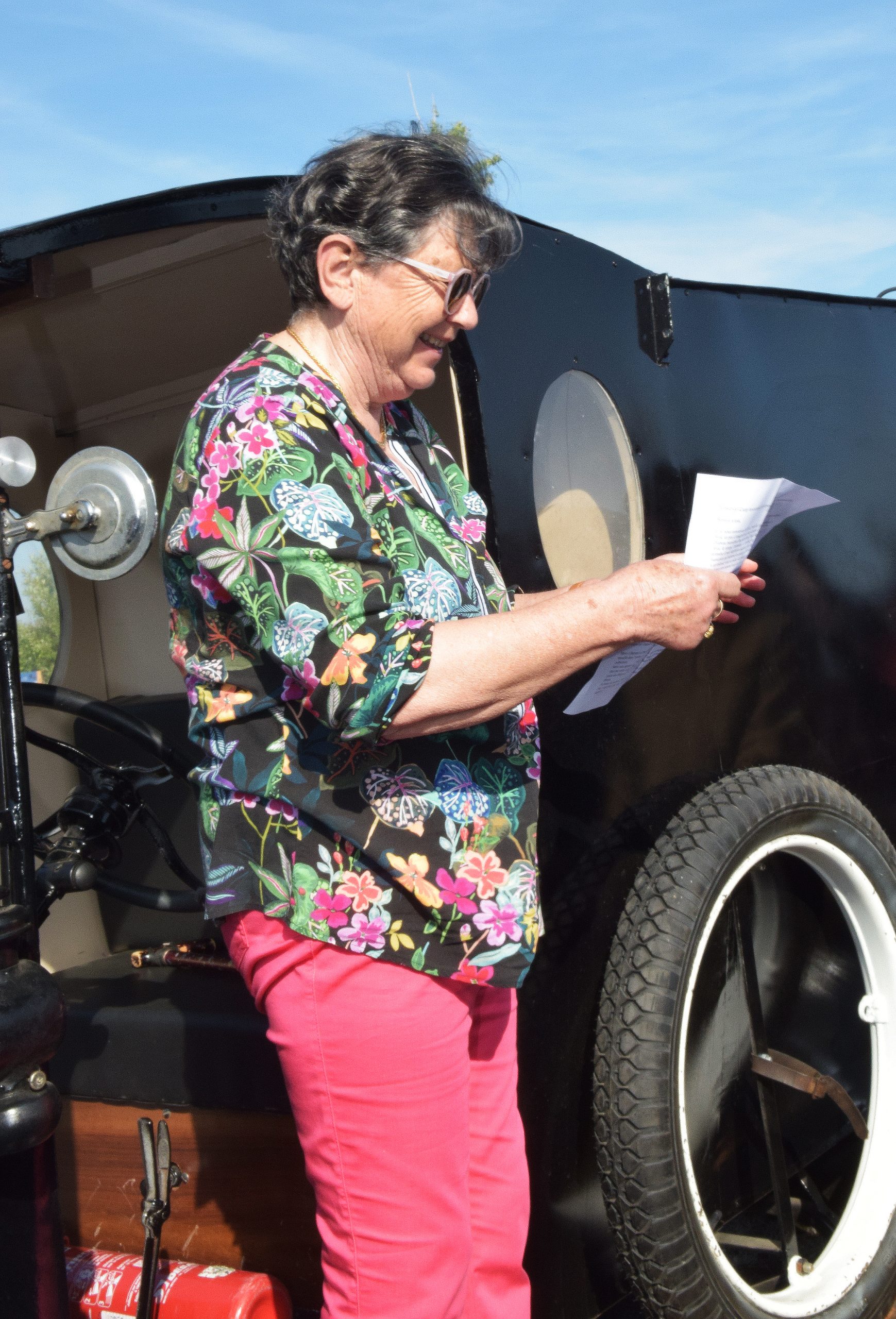
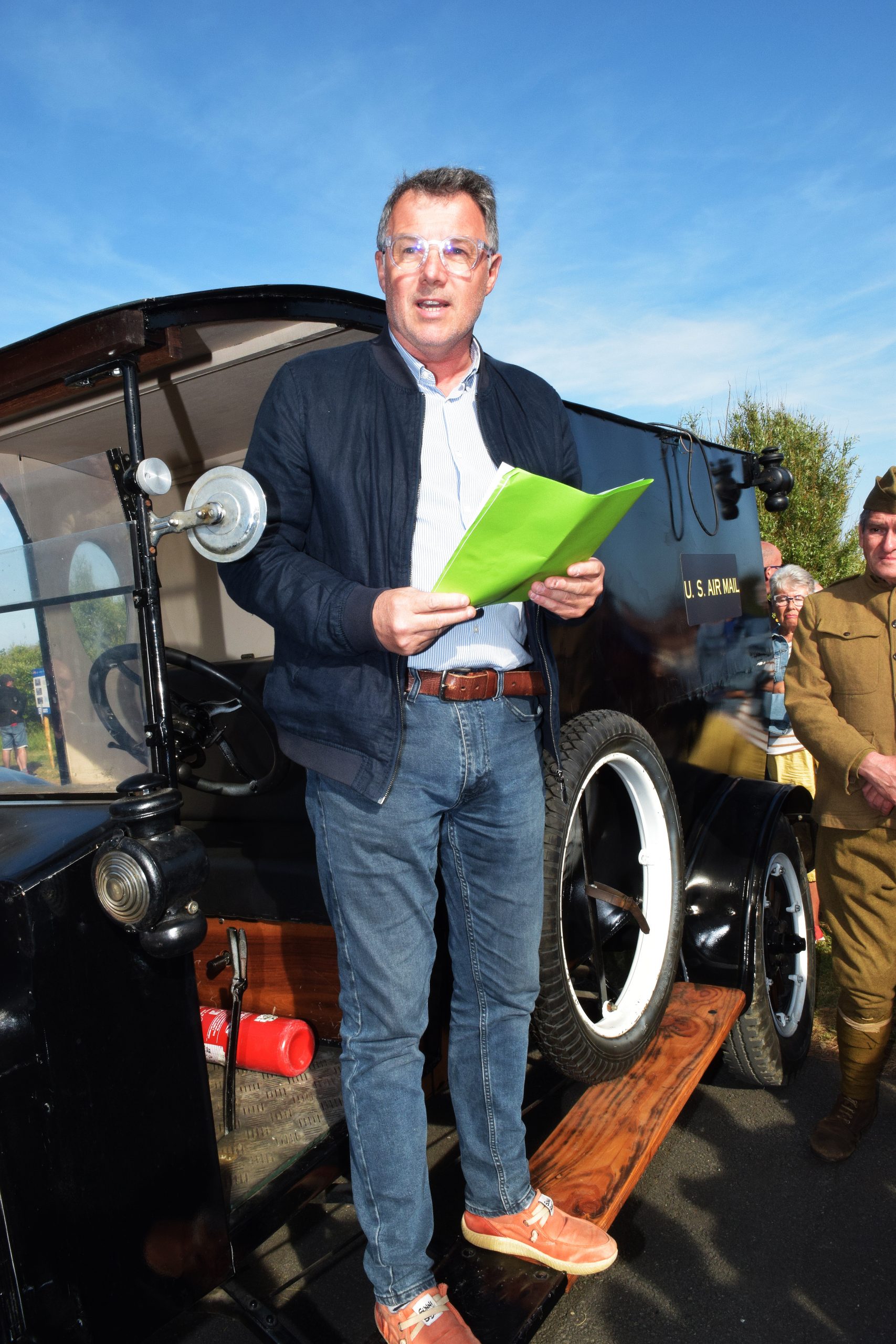
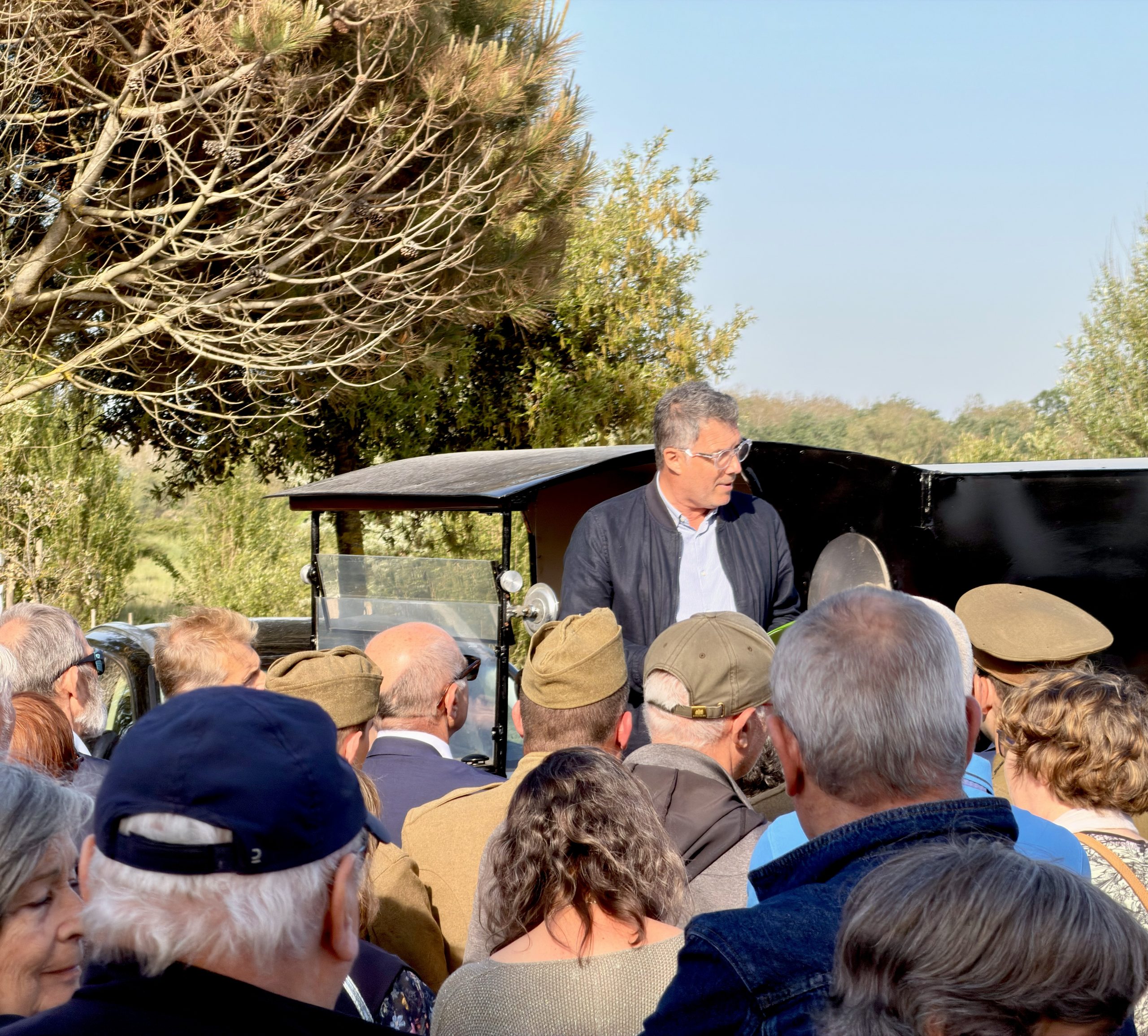
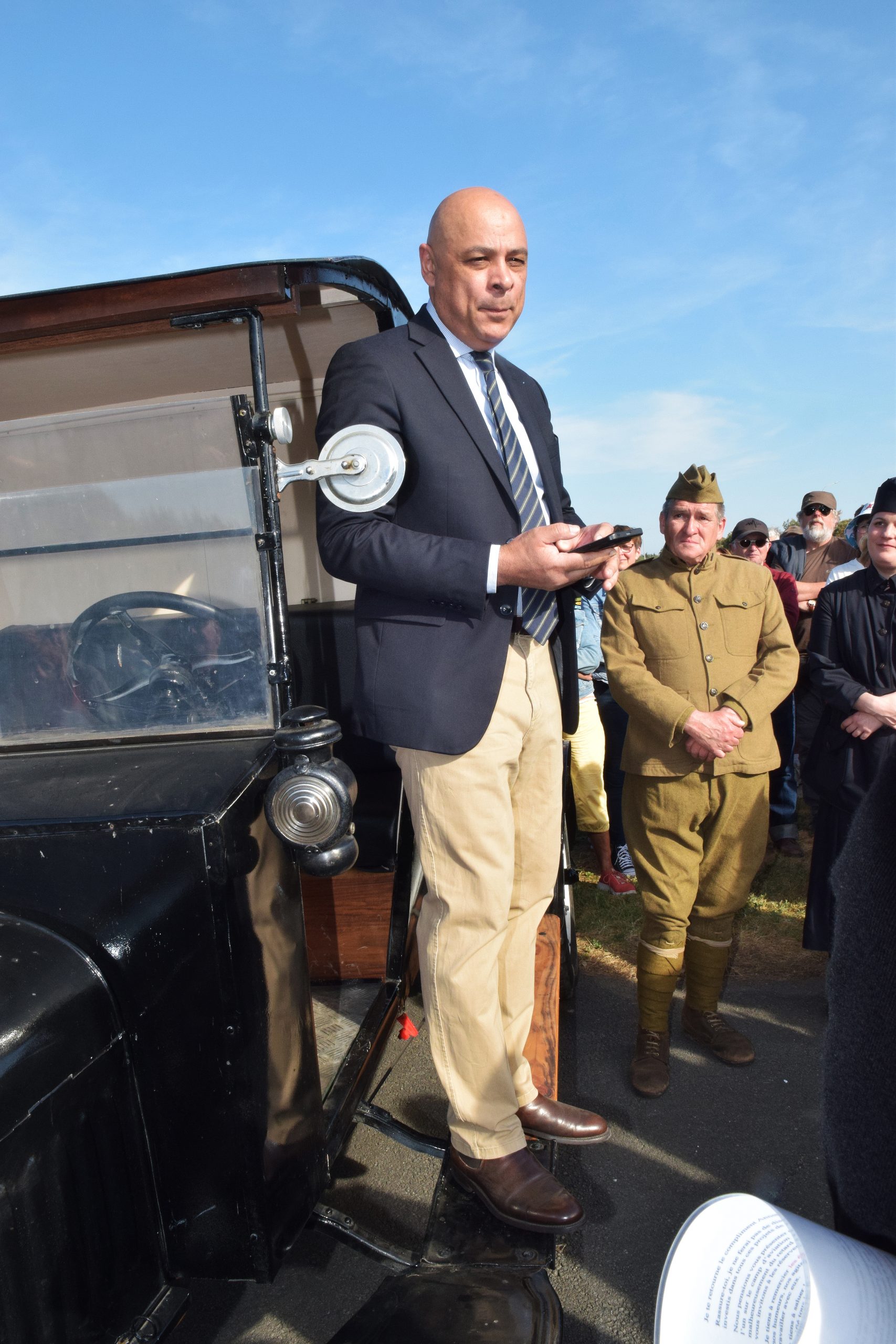
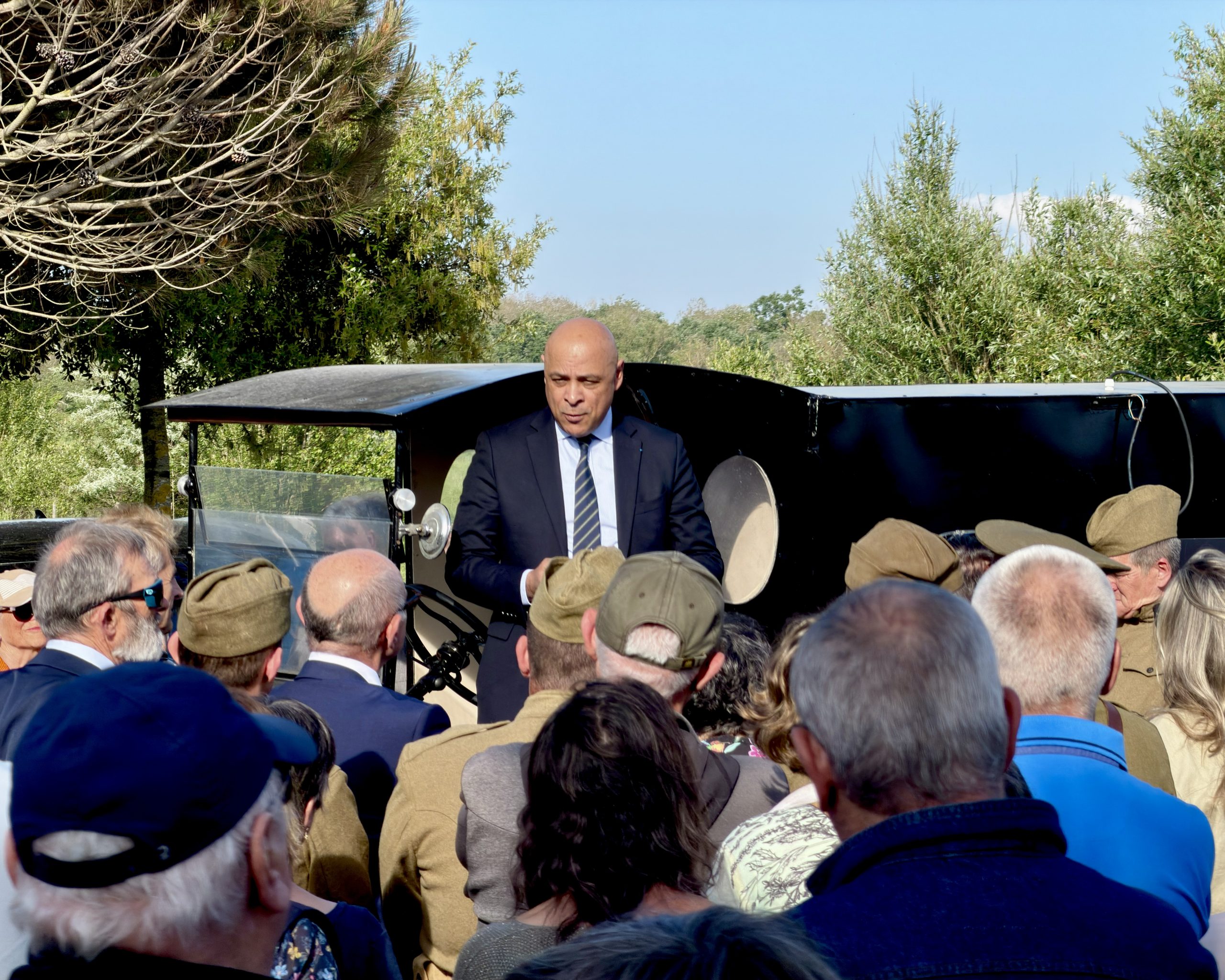
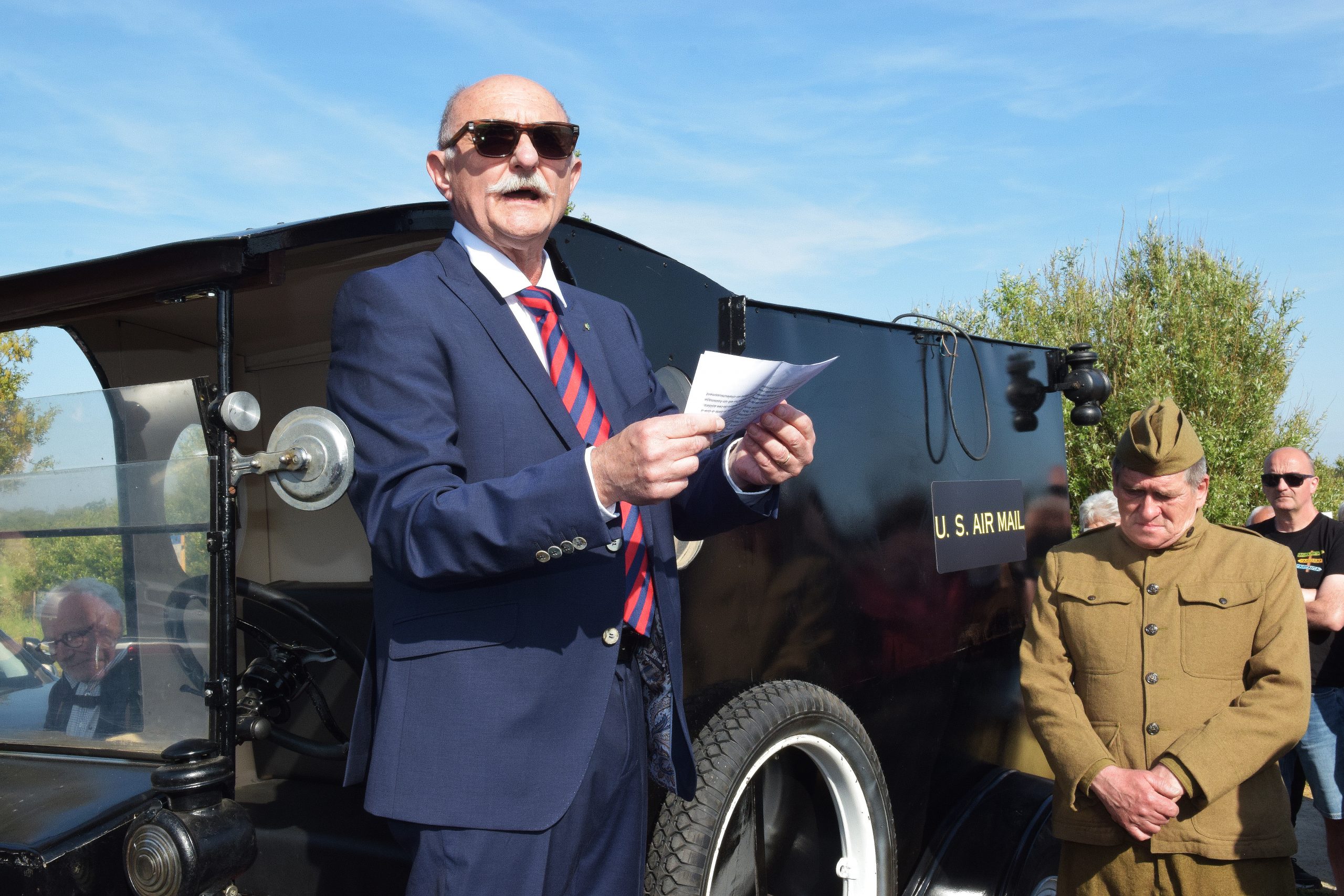
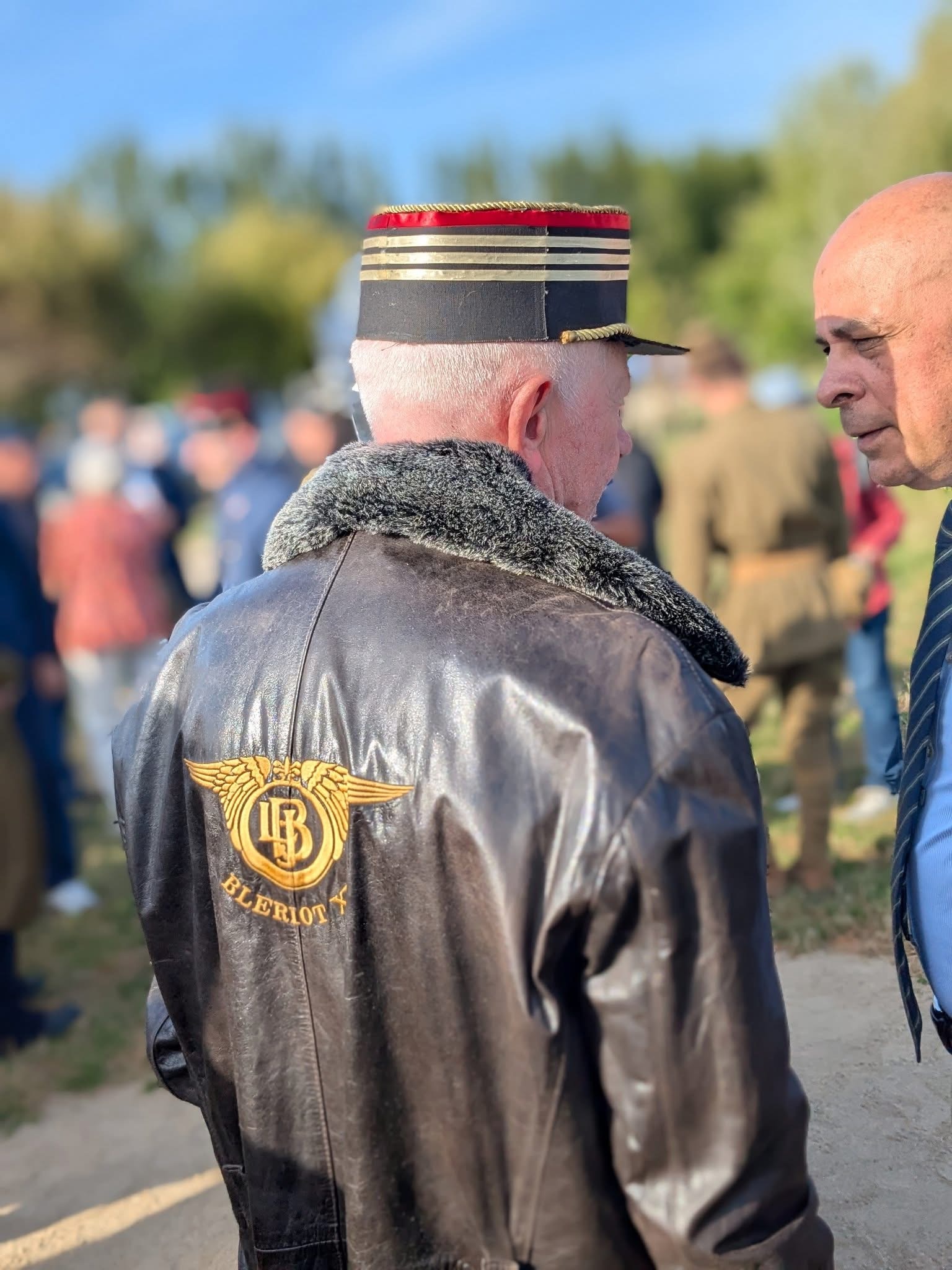

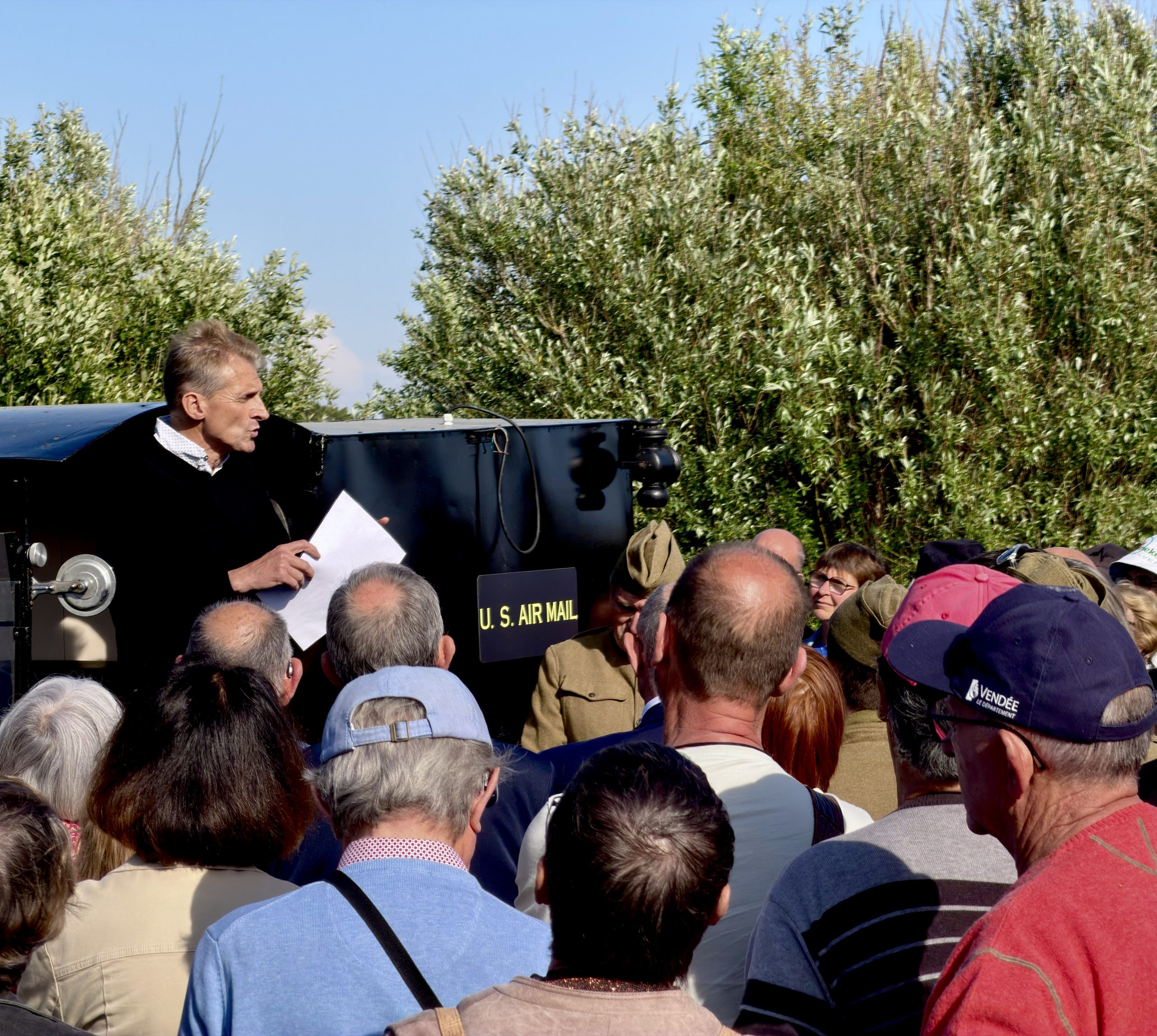
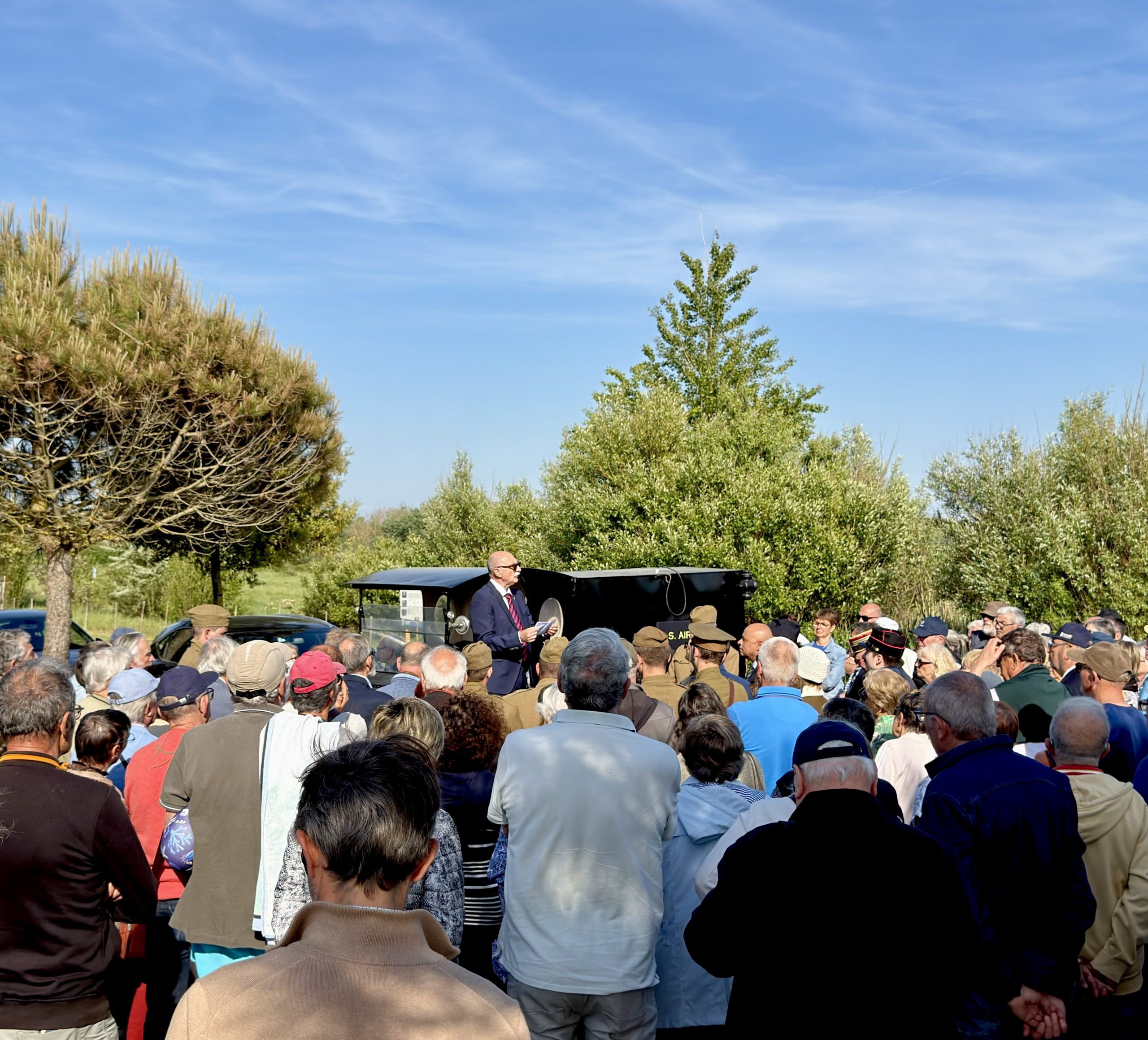
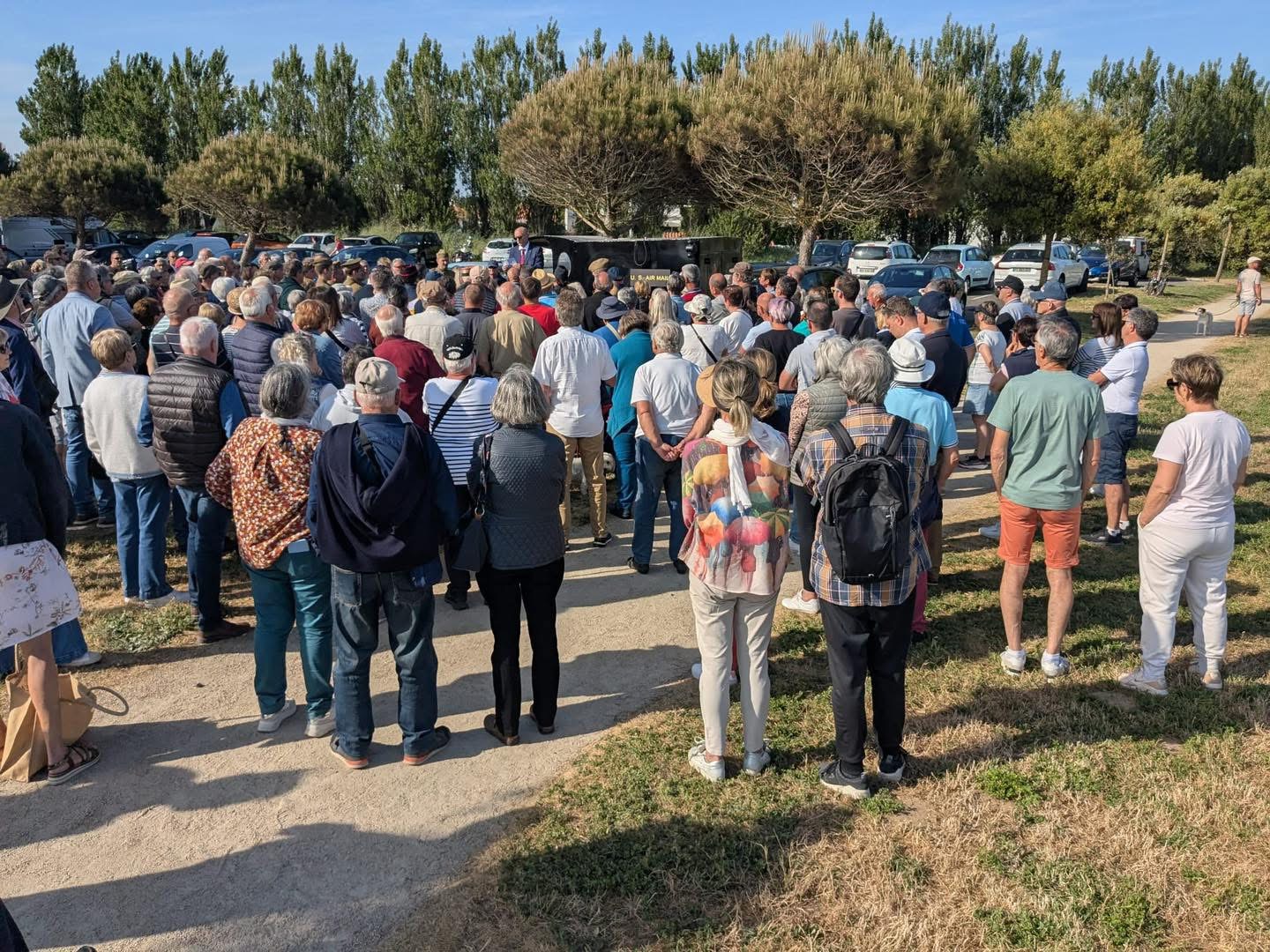
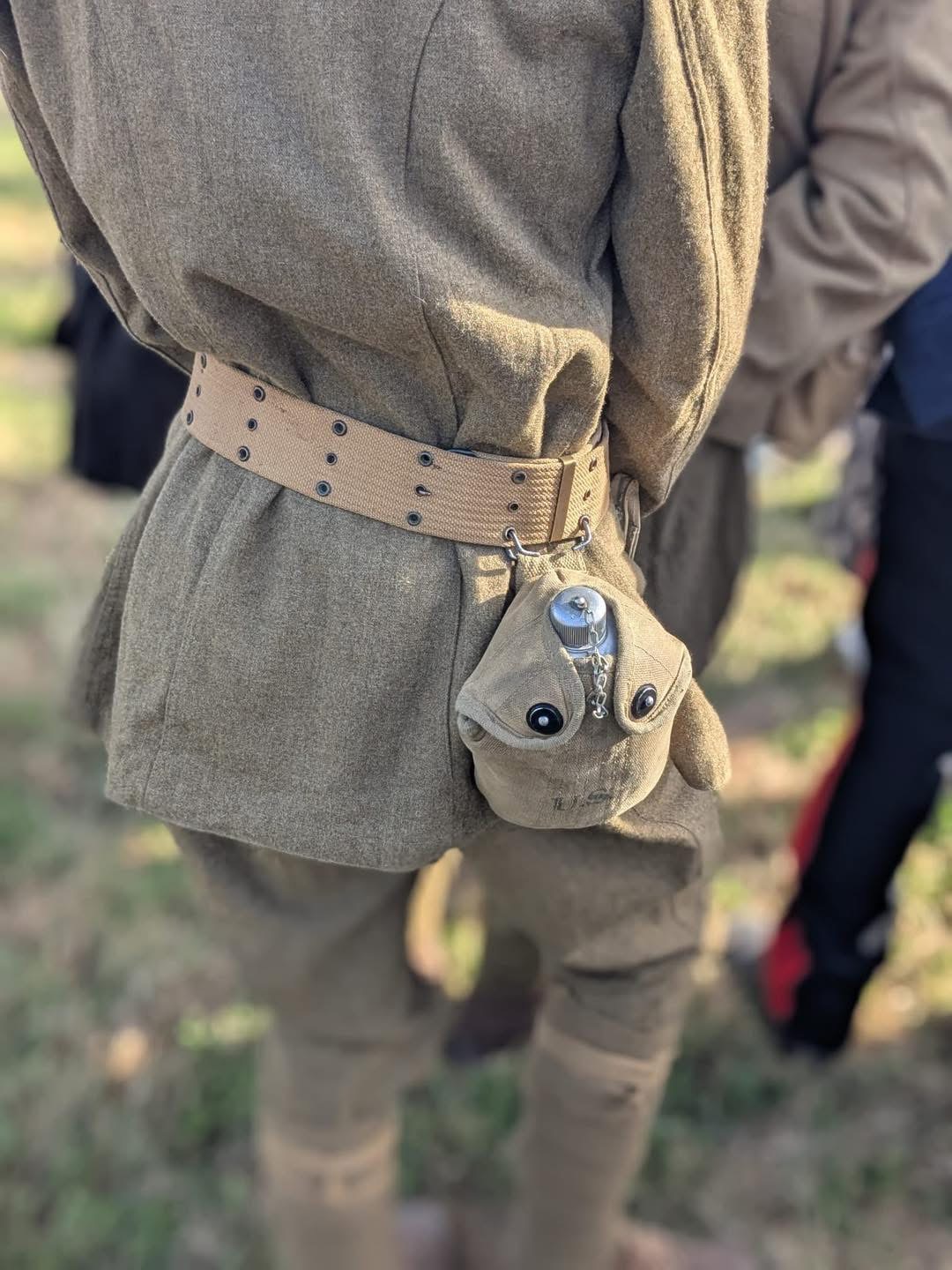
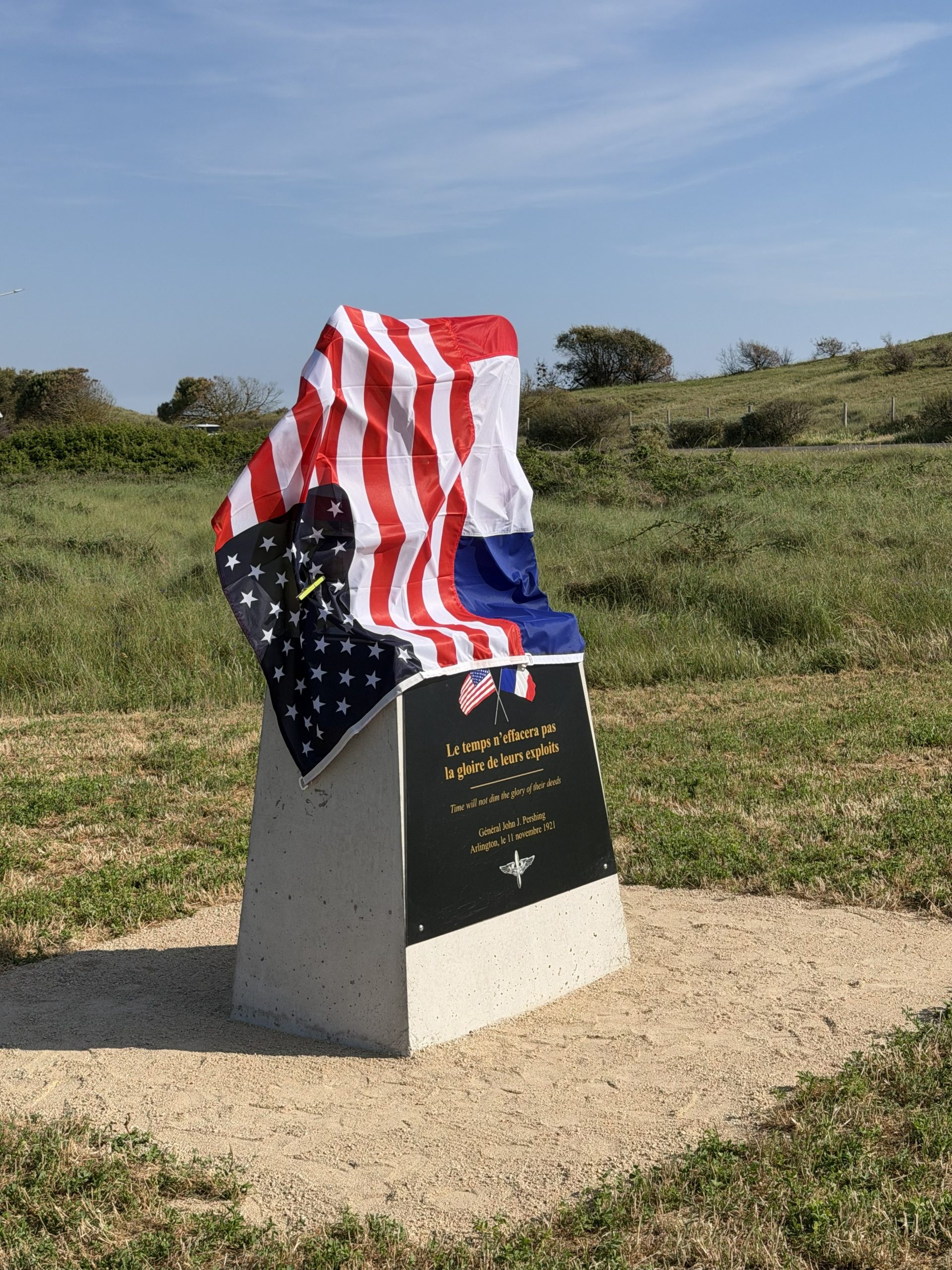
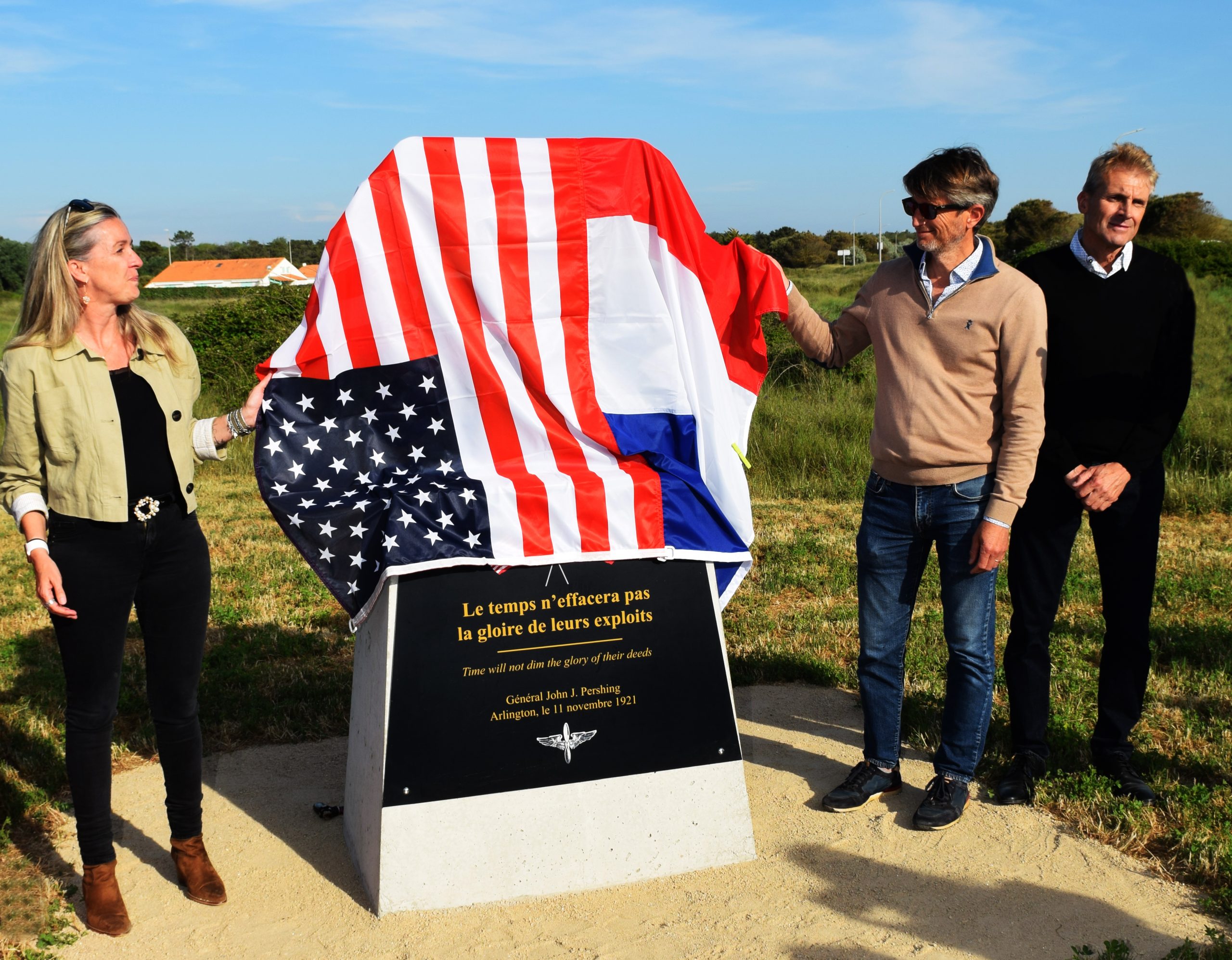
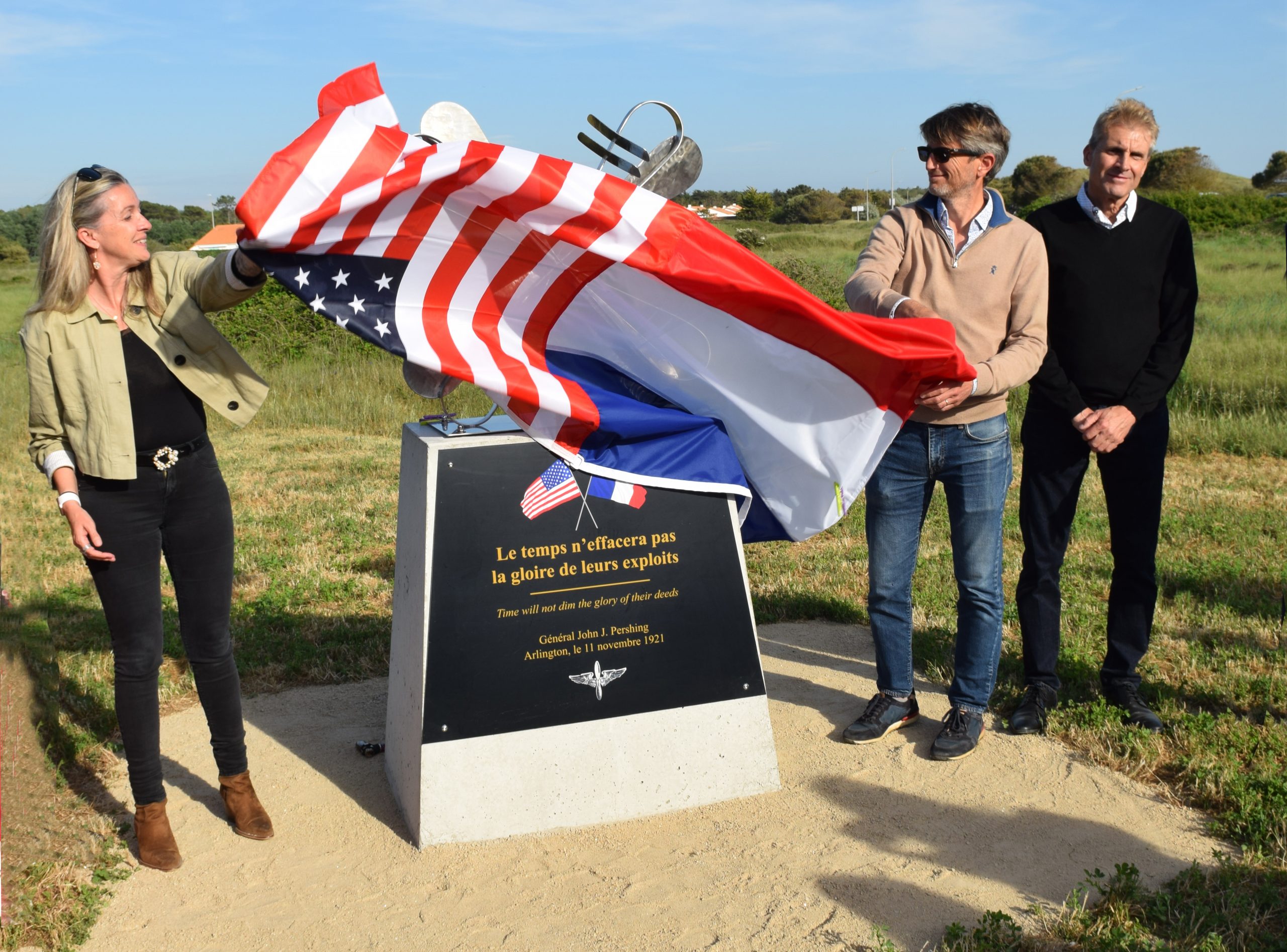
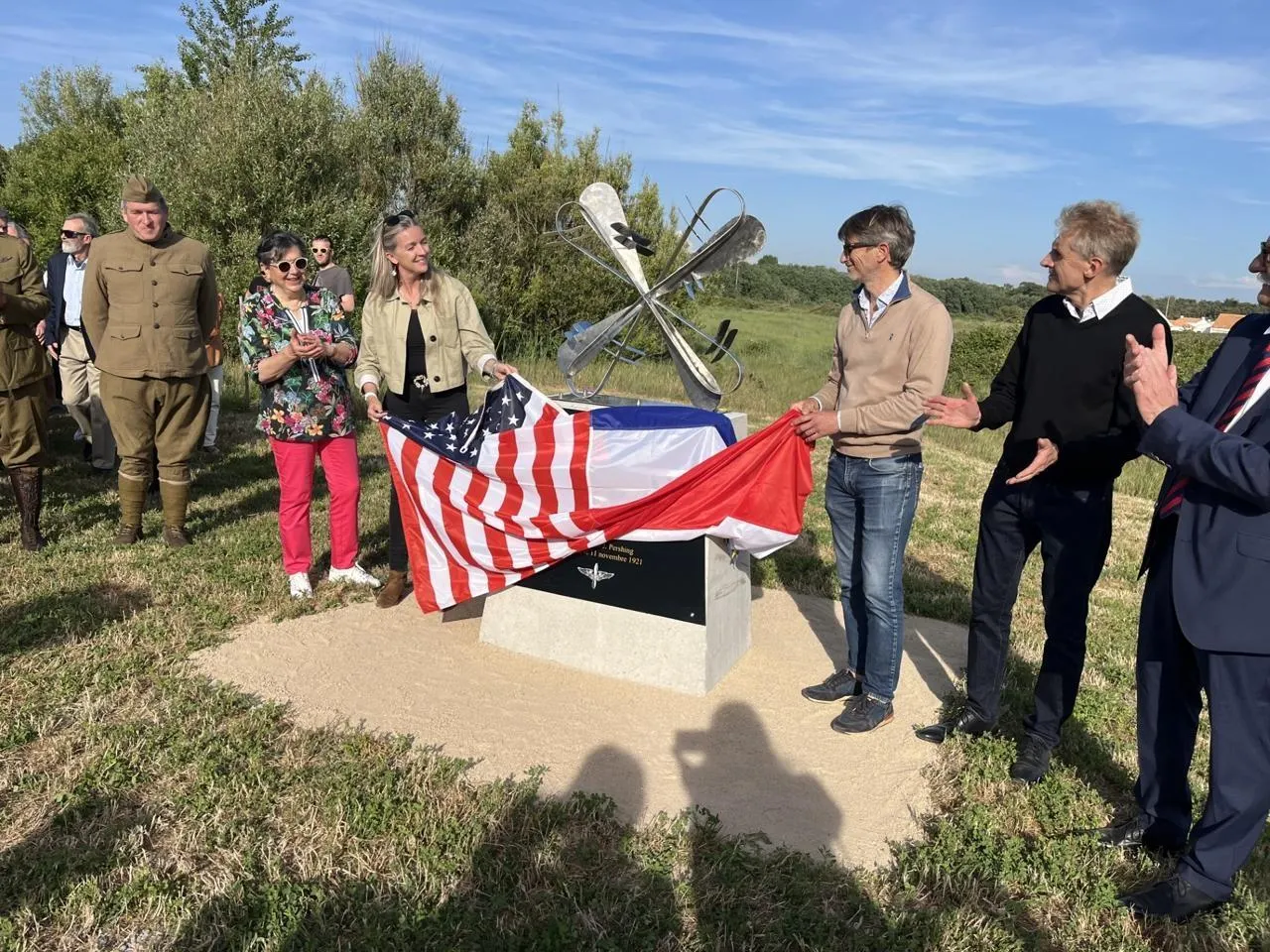
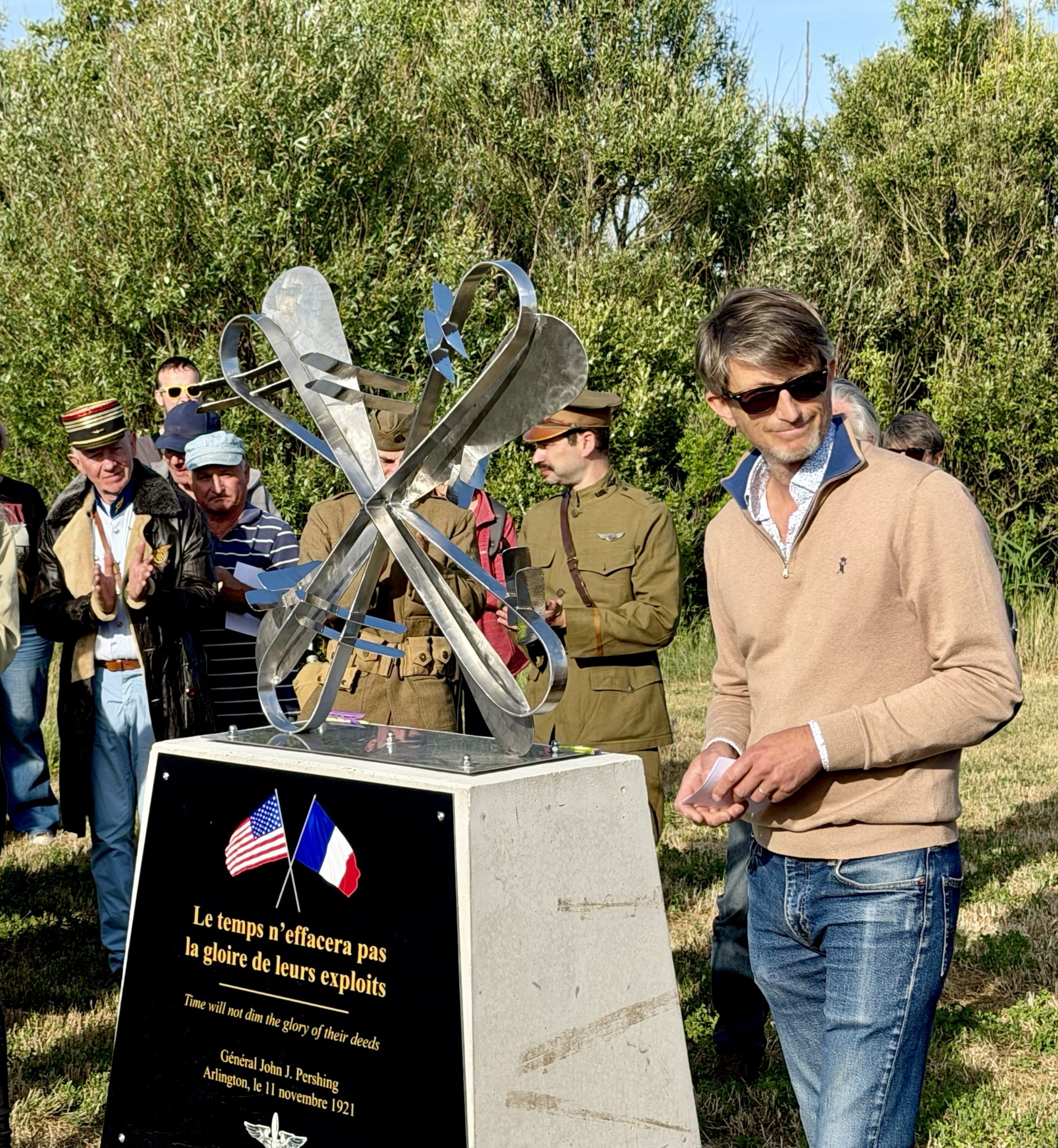
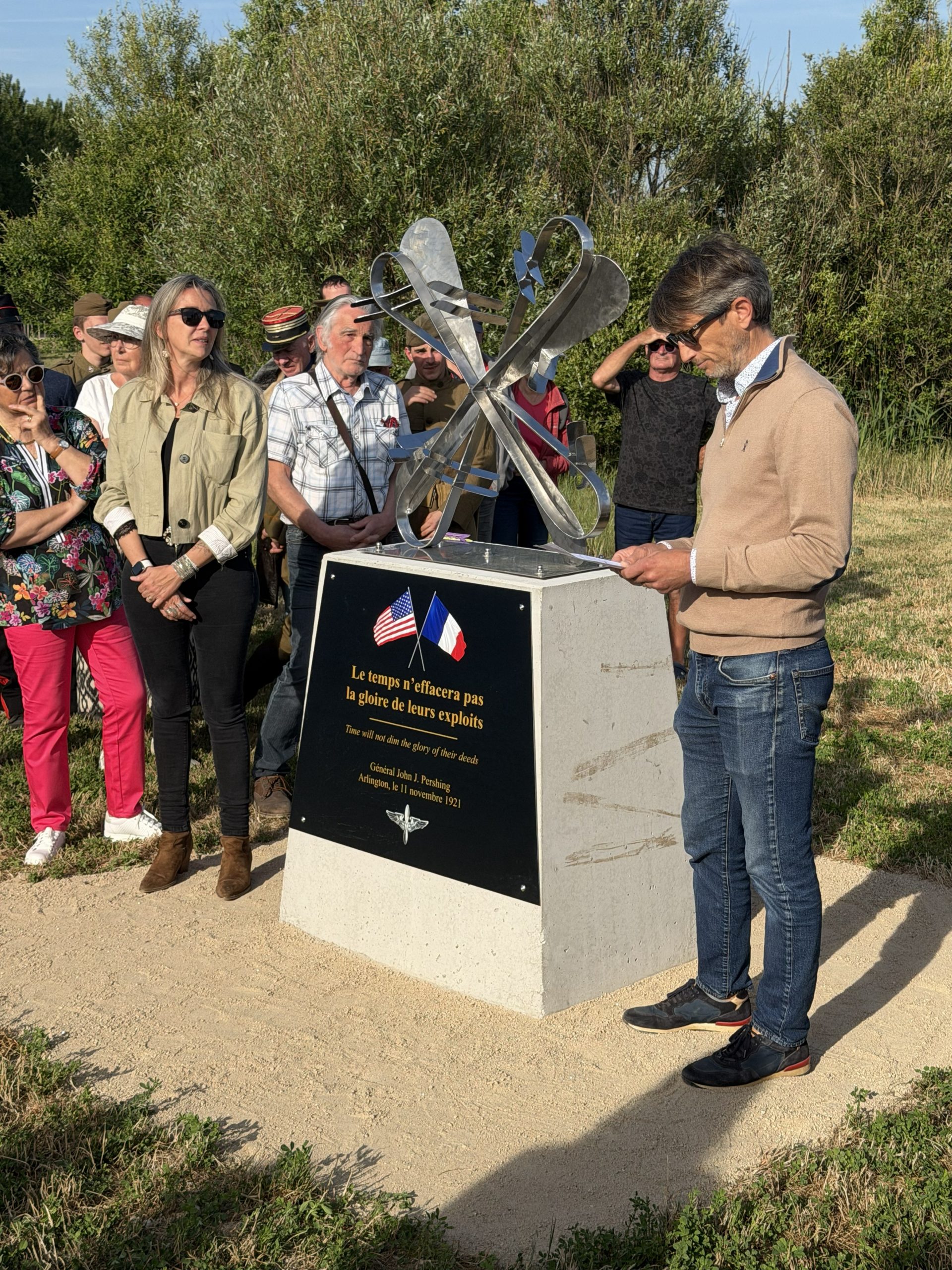
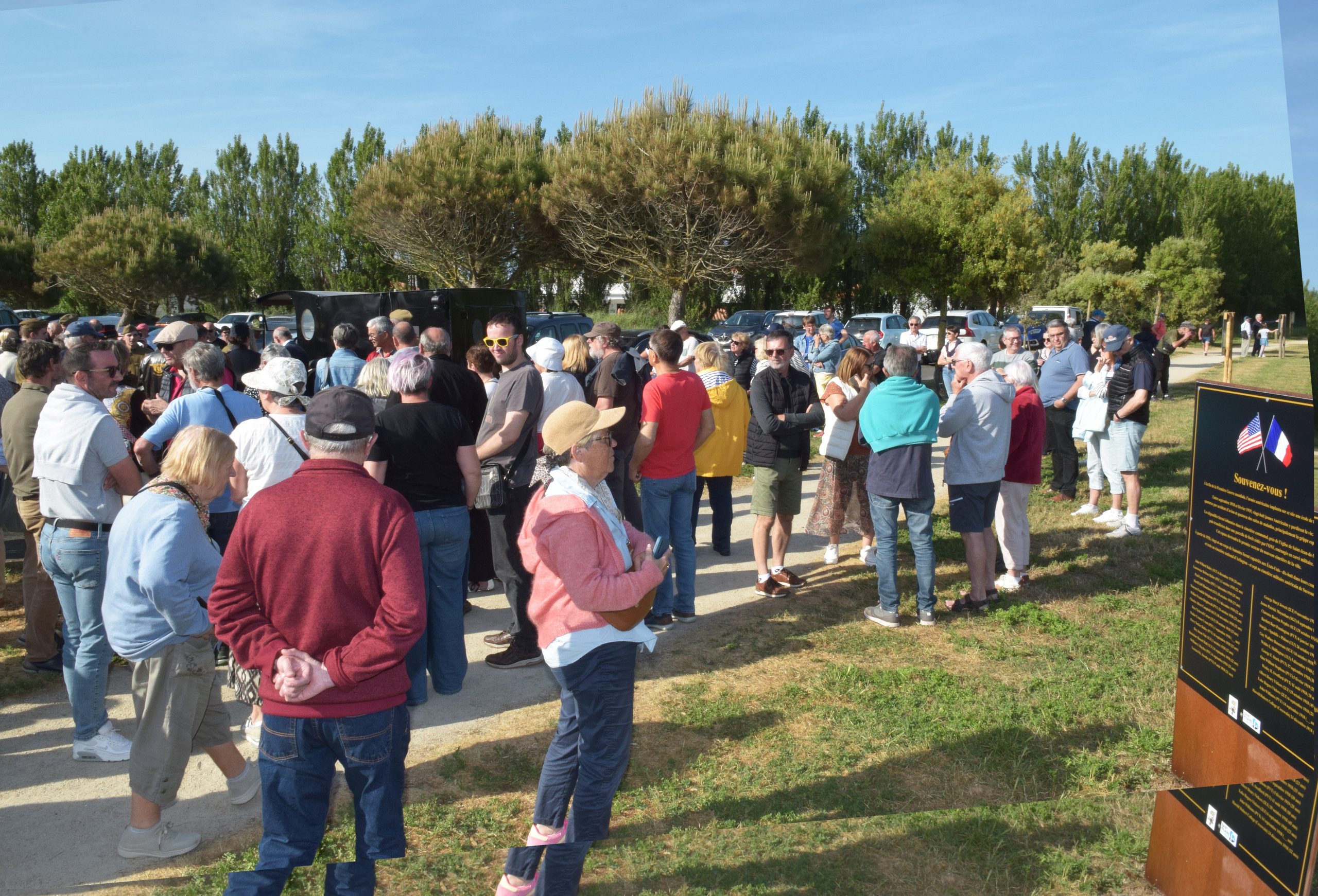
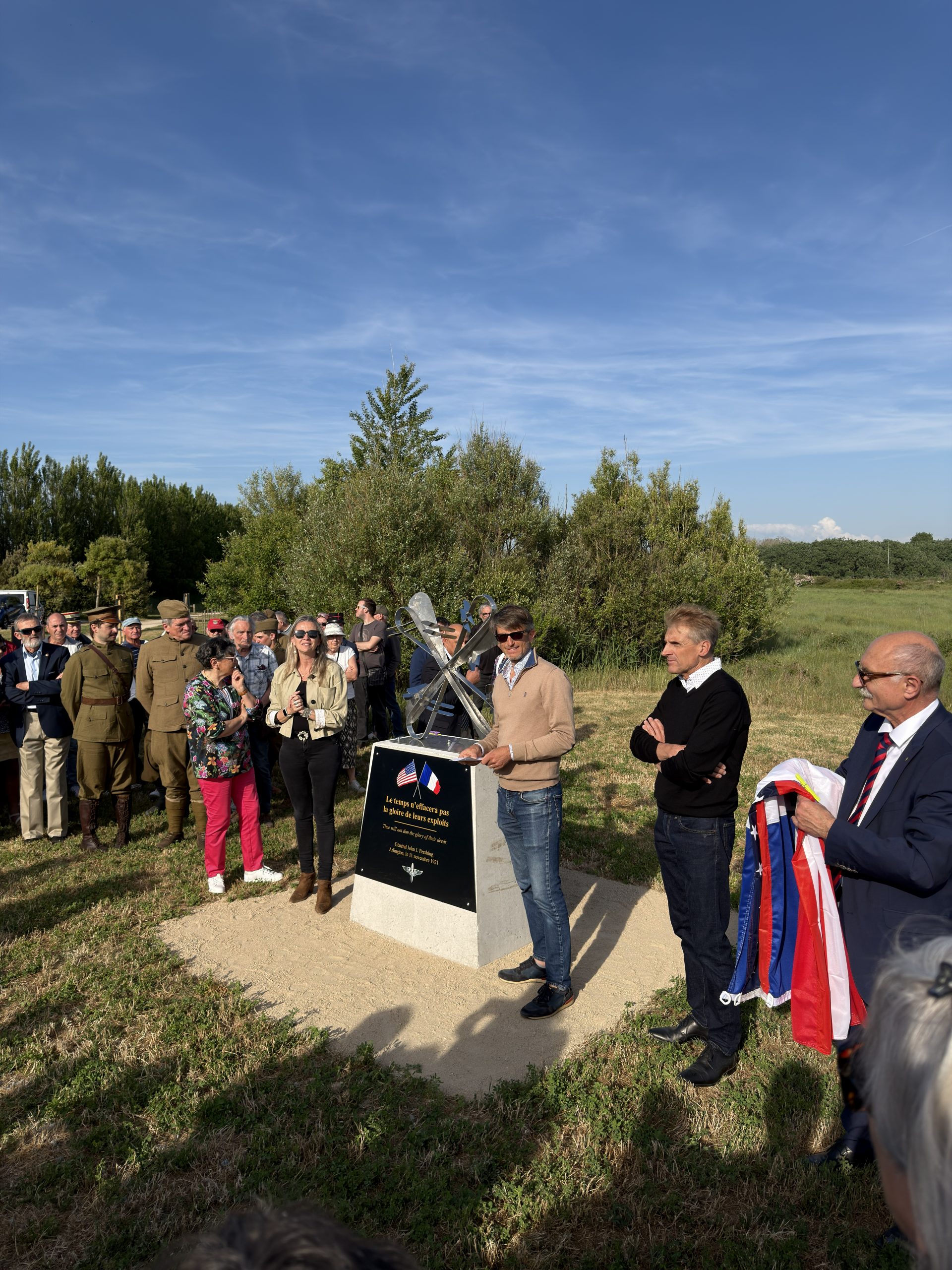
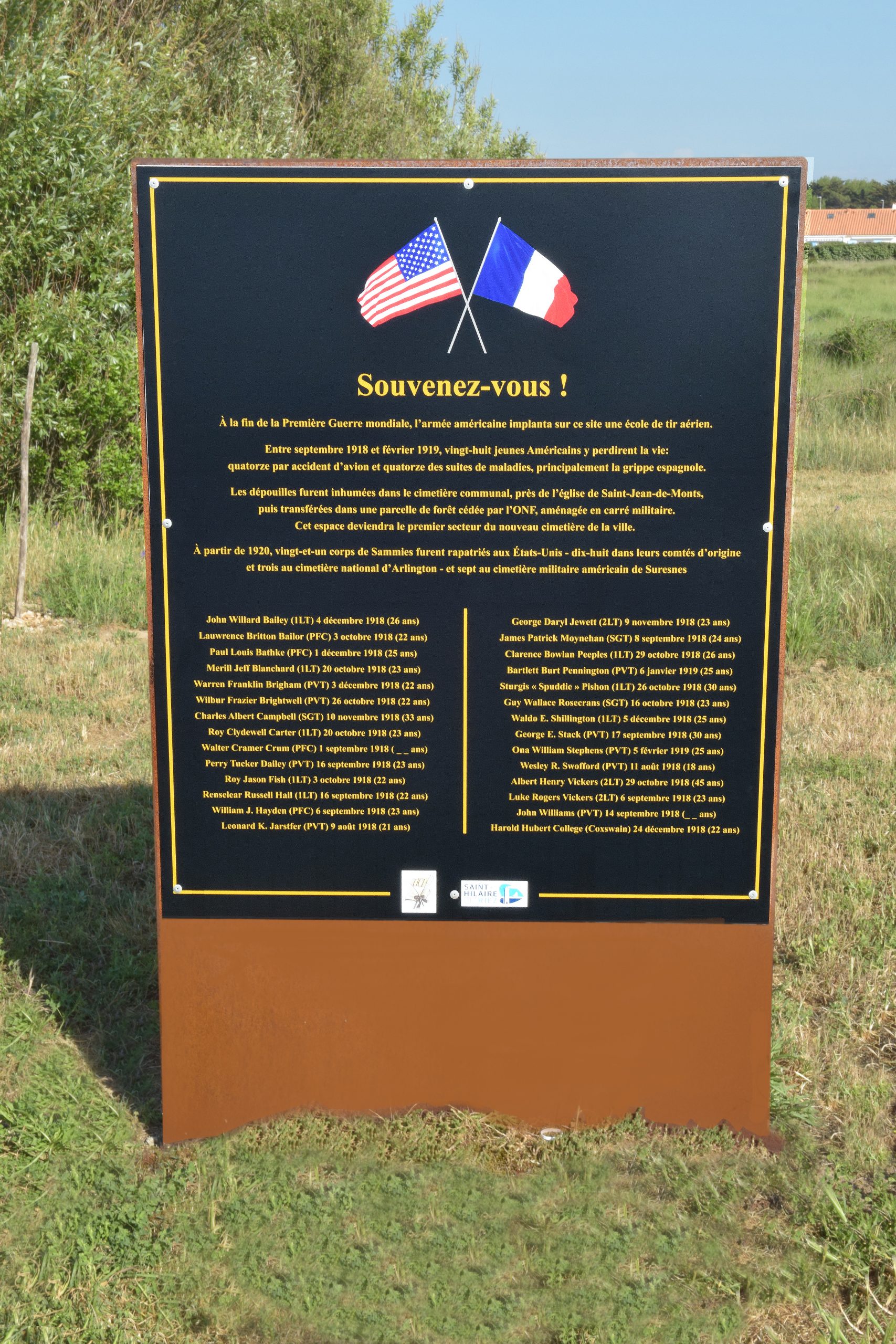
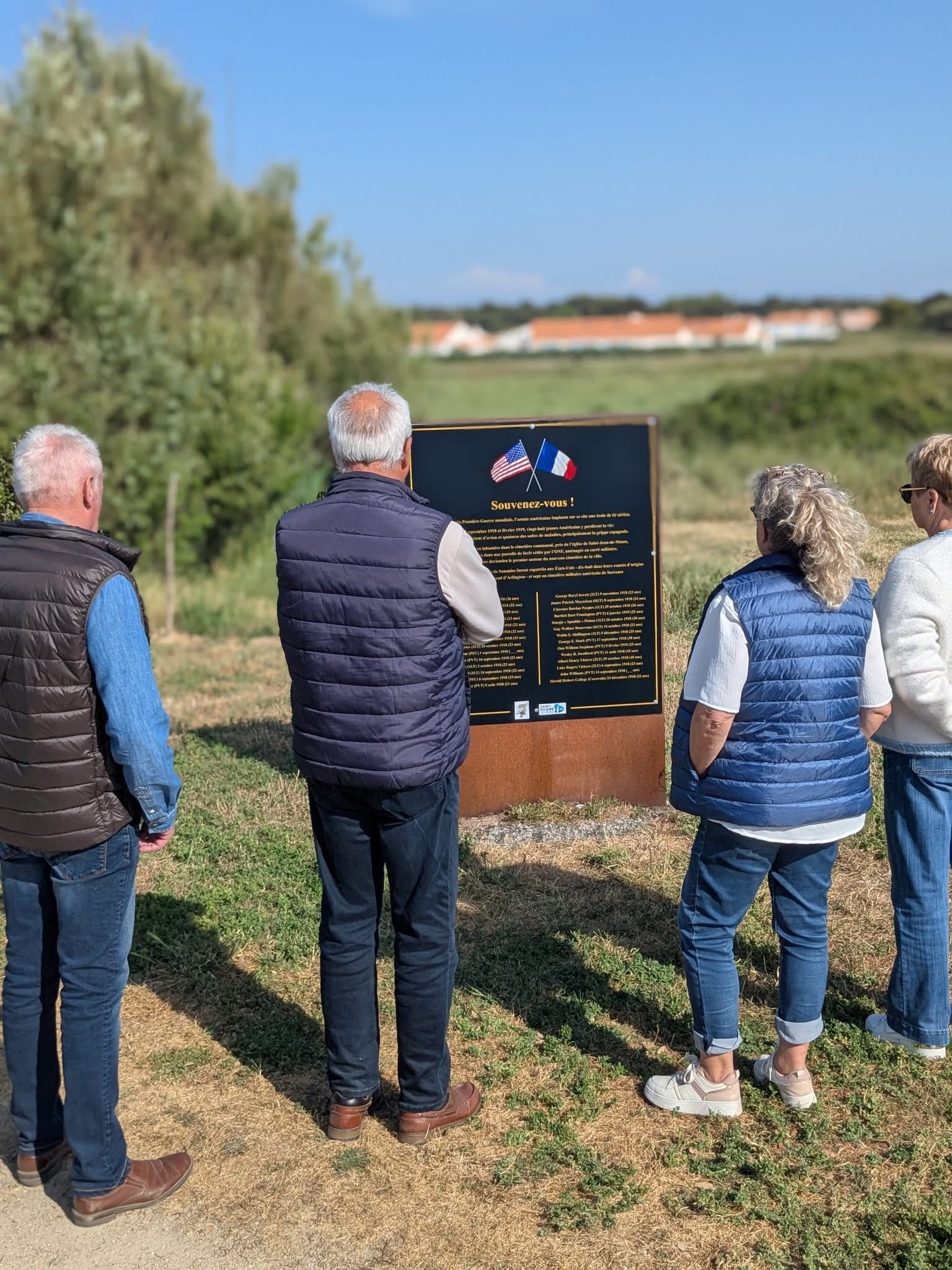
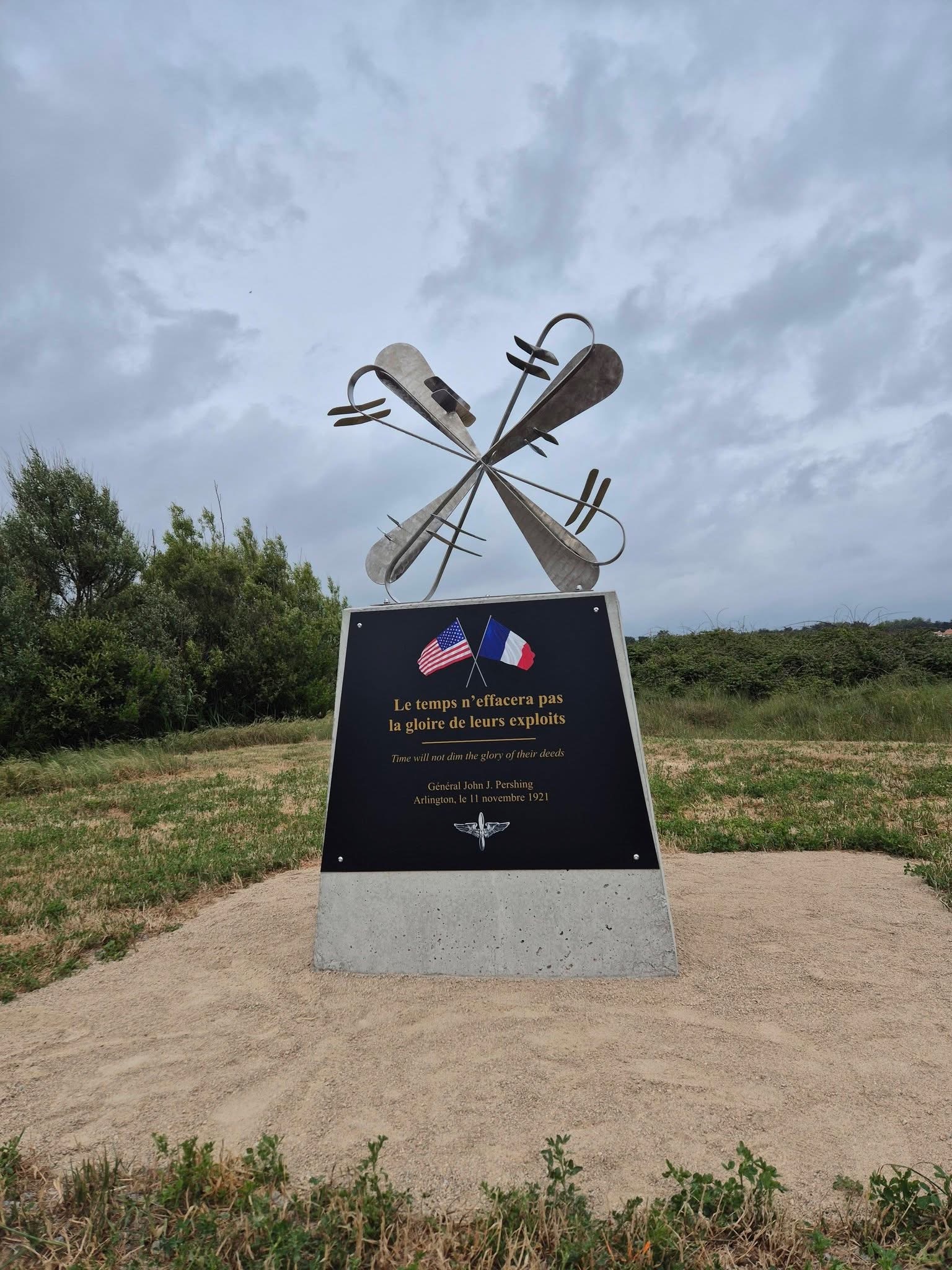
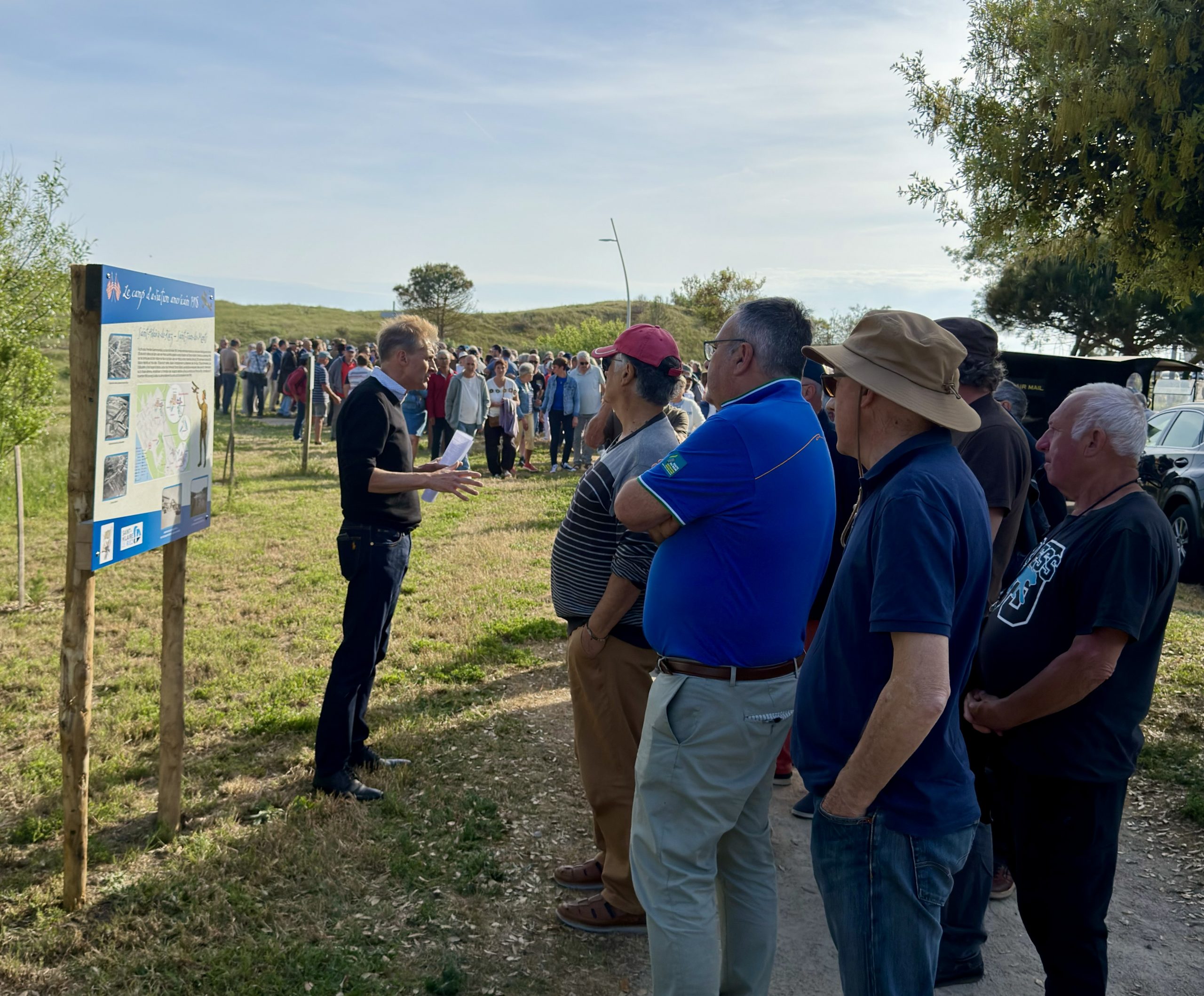
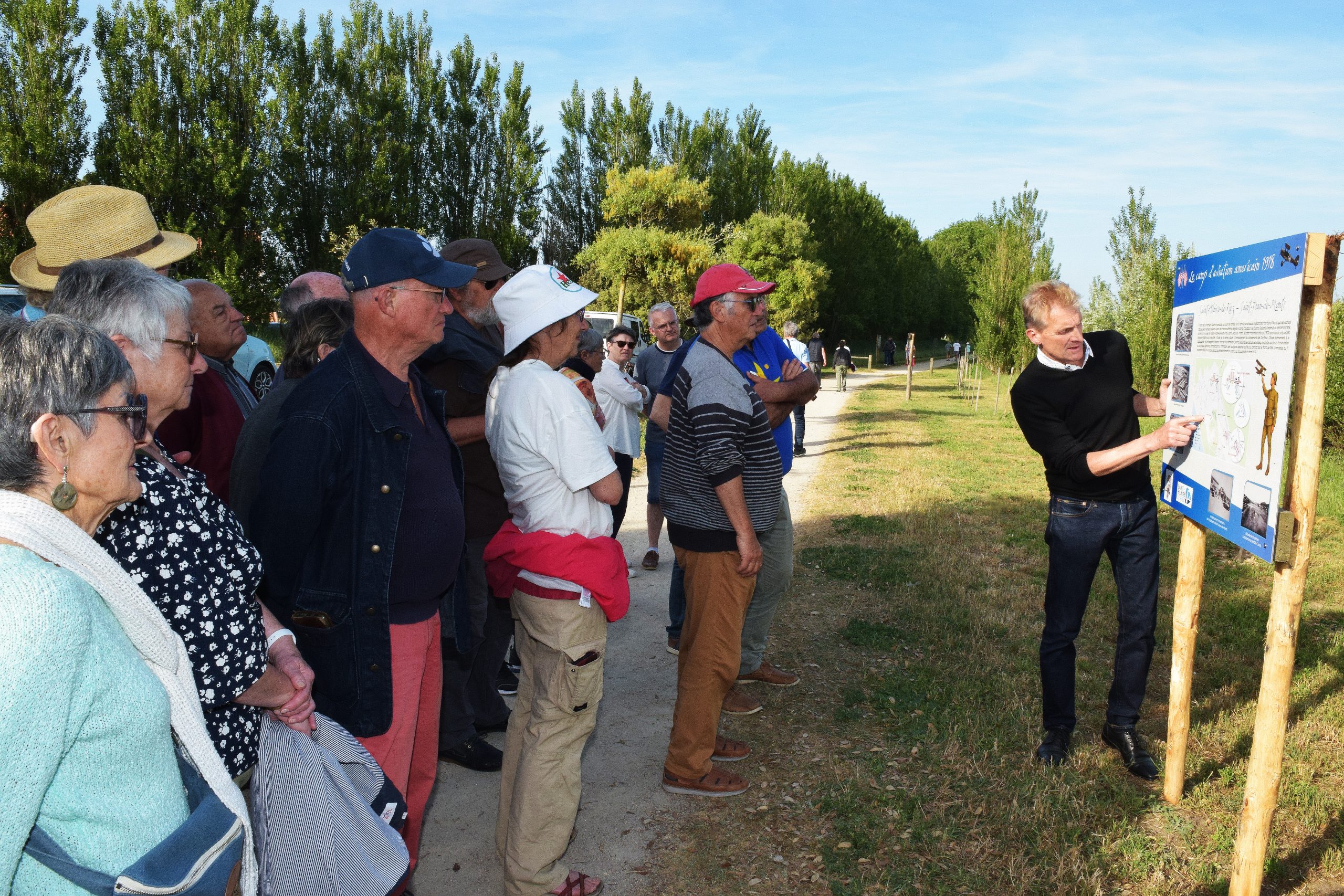
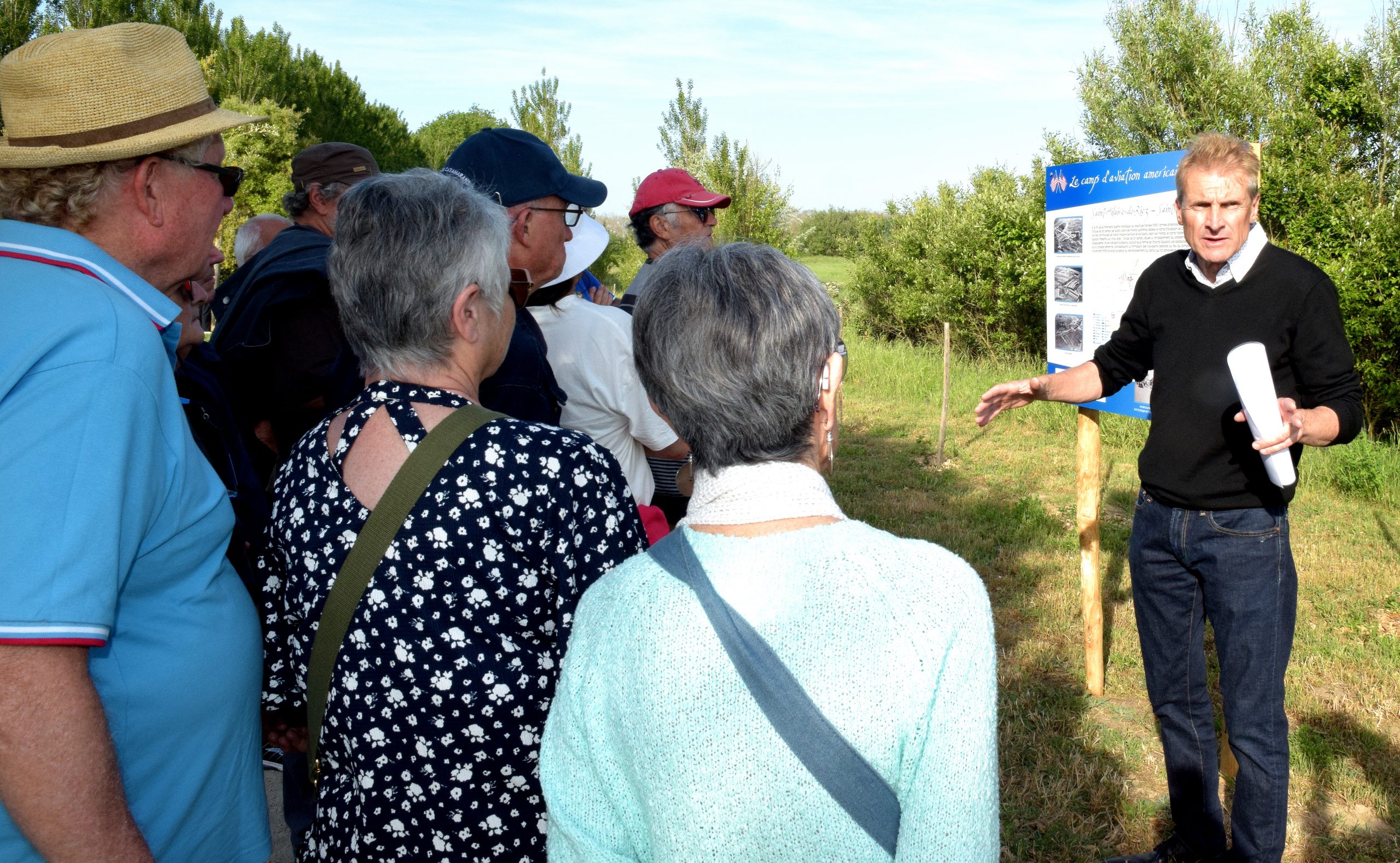
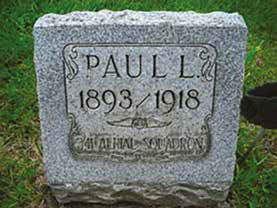
Les soldats américains morts au camp de l'école de tir
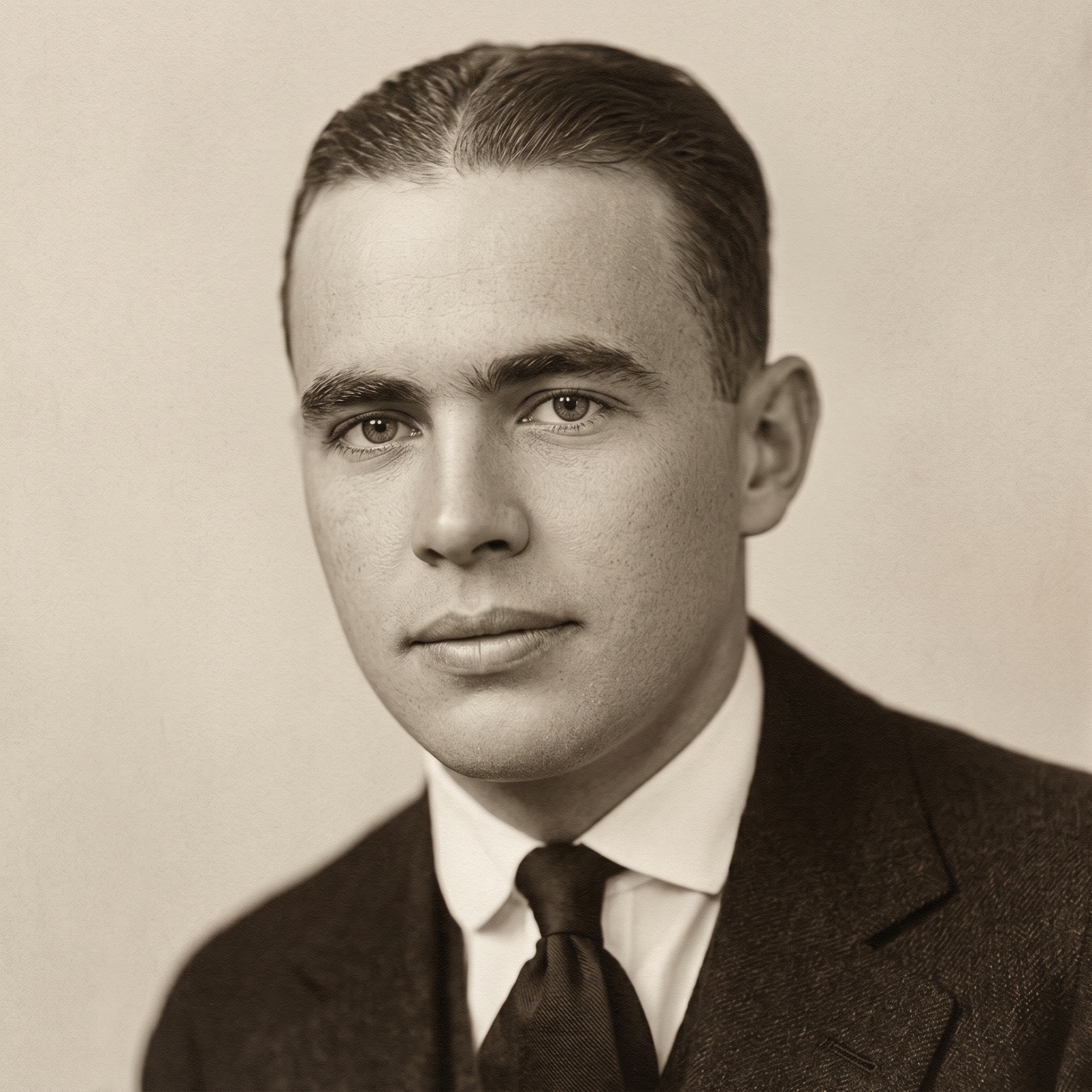
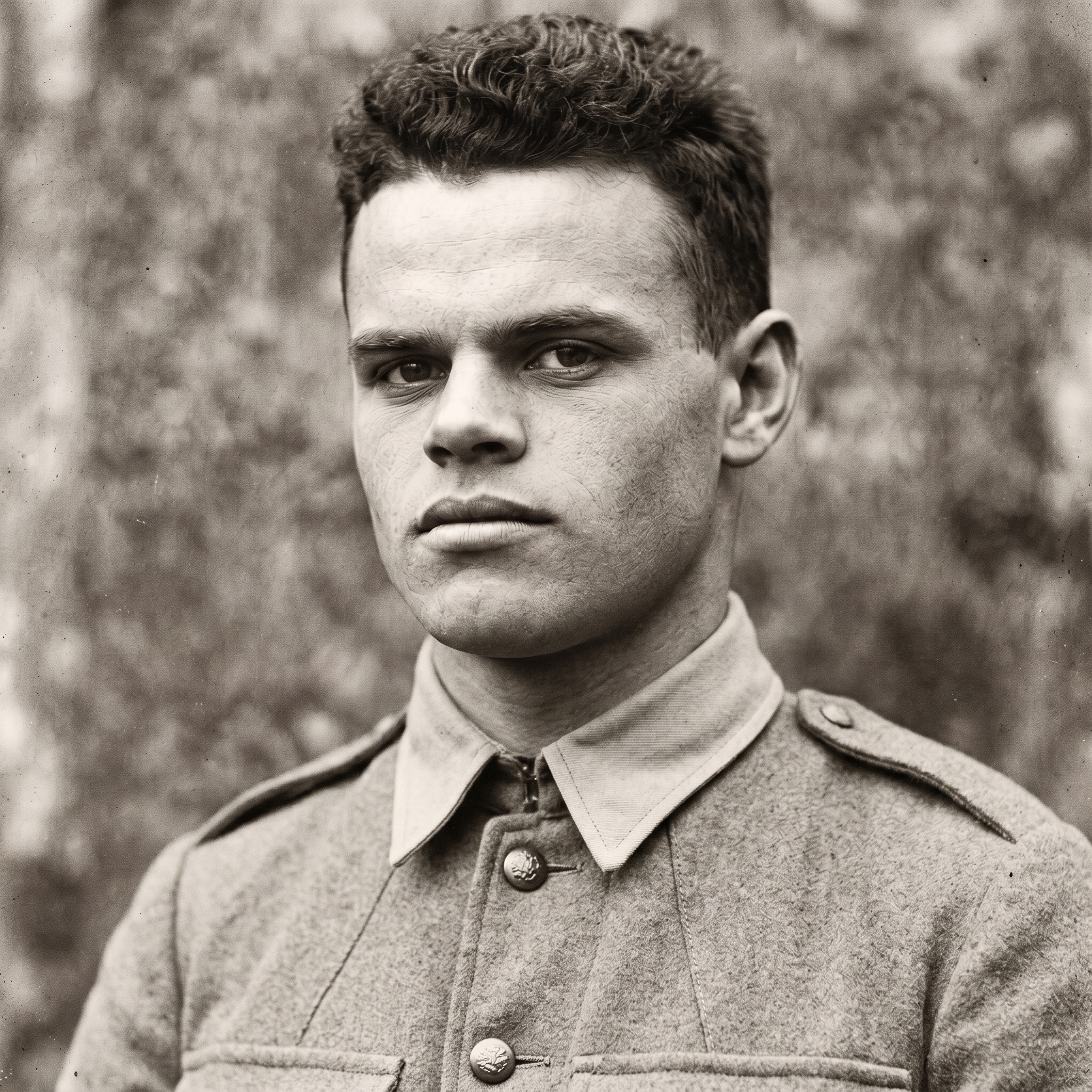
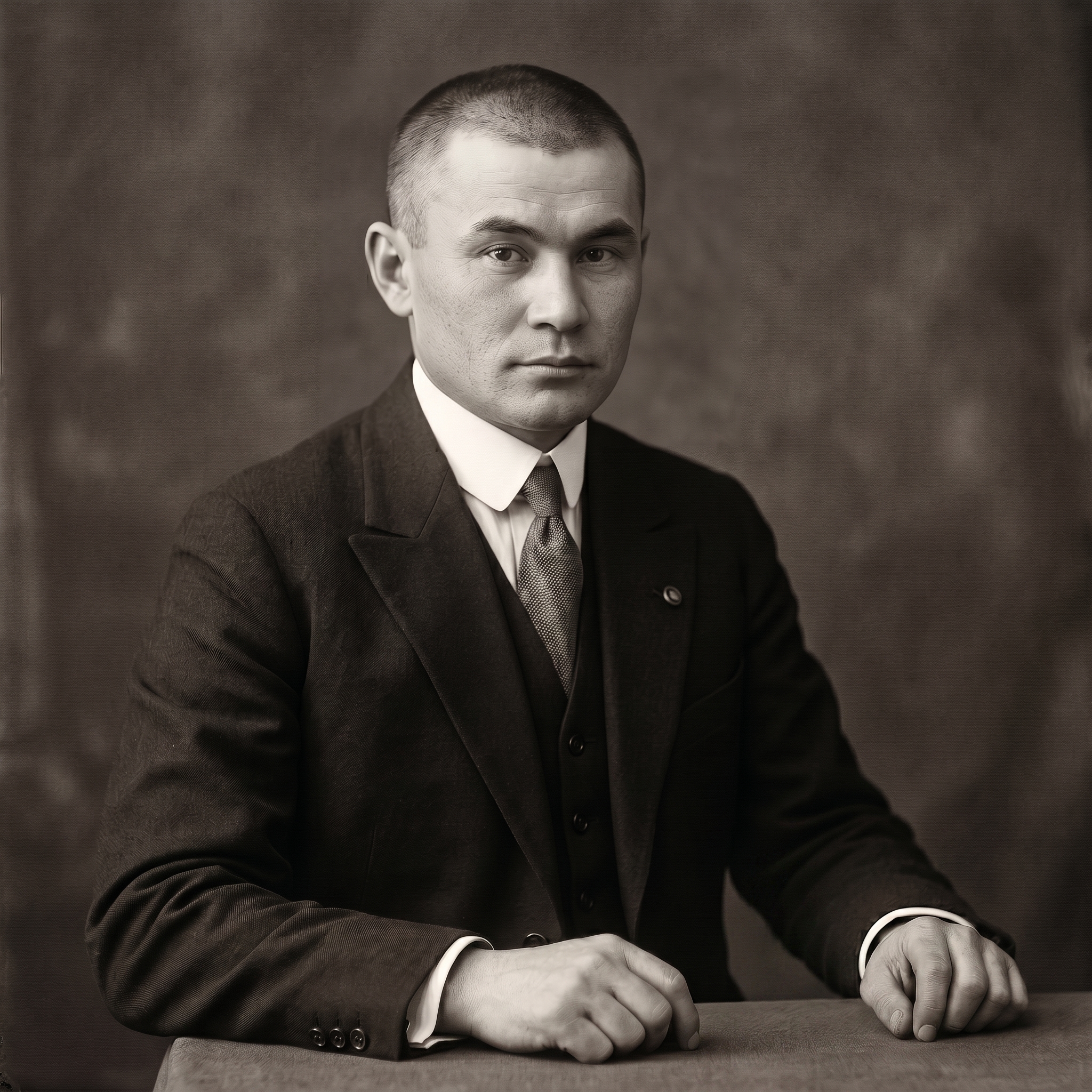
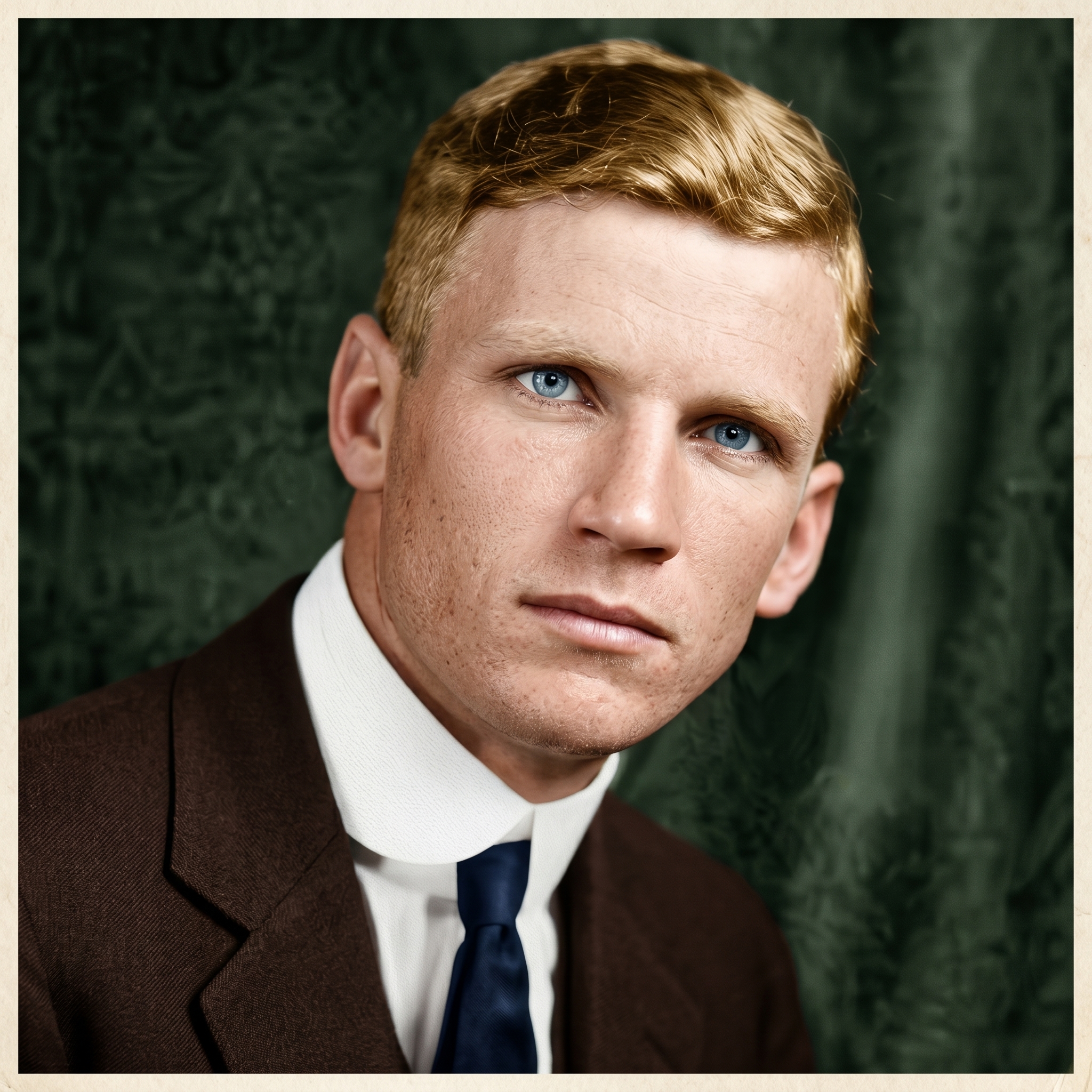
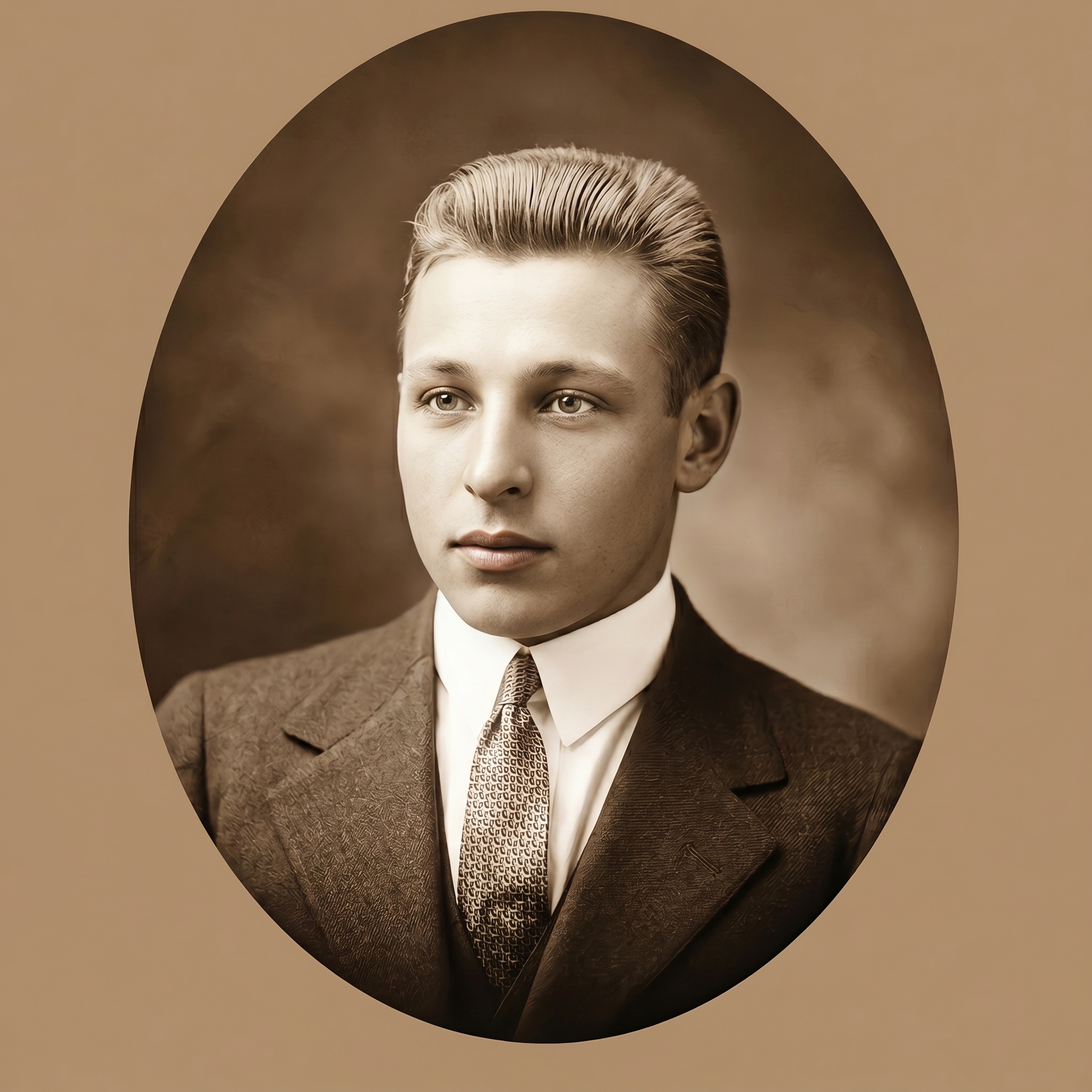
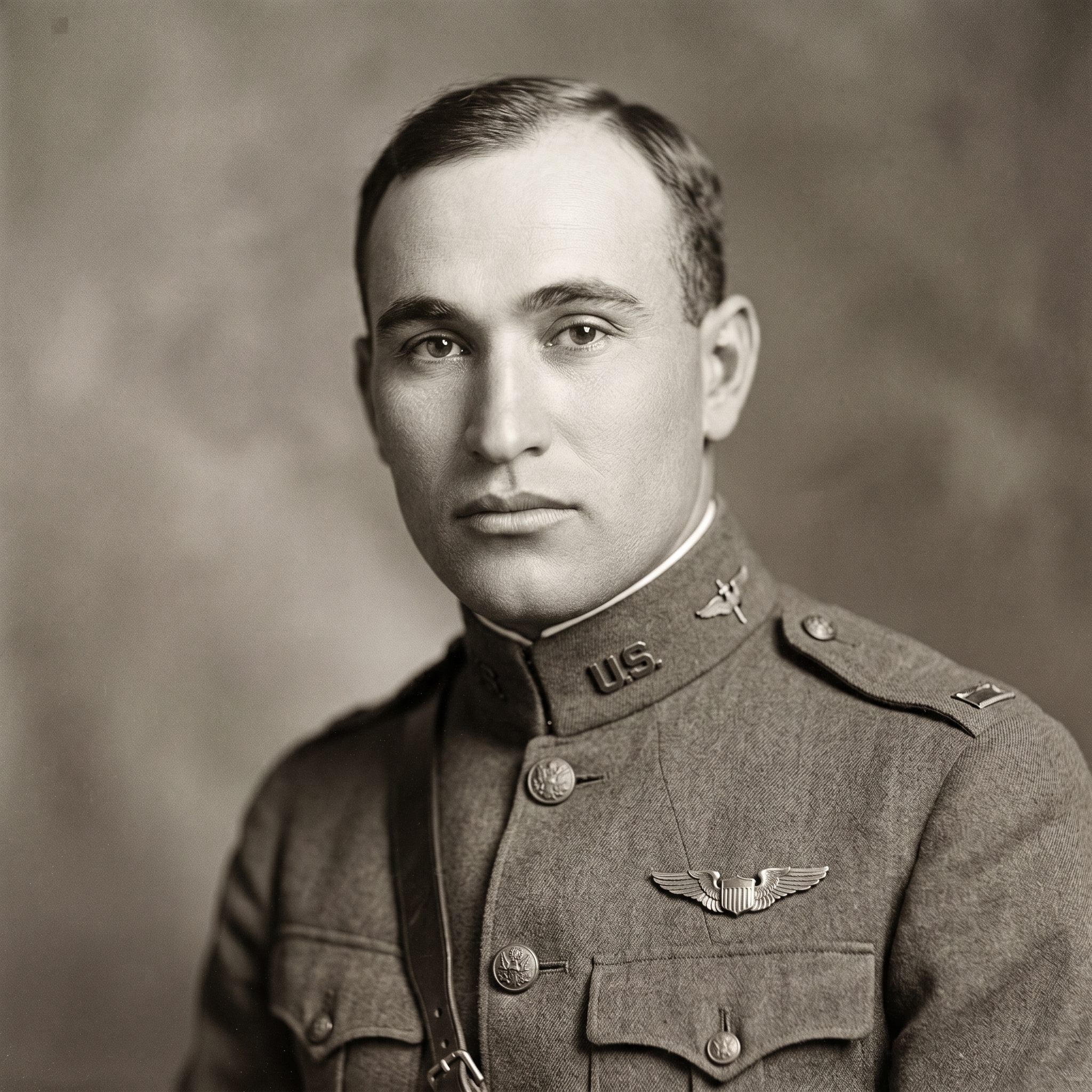
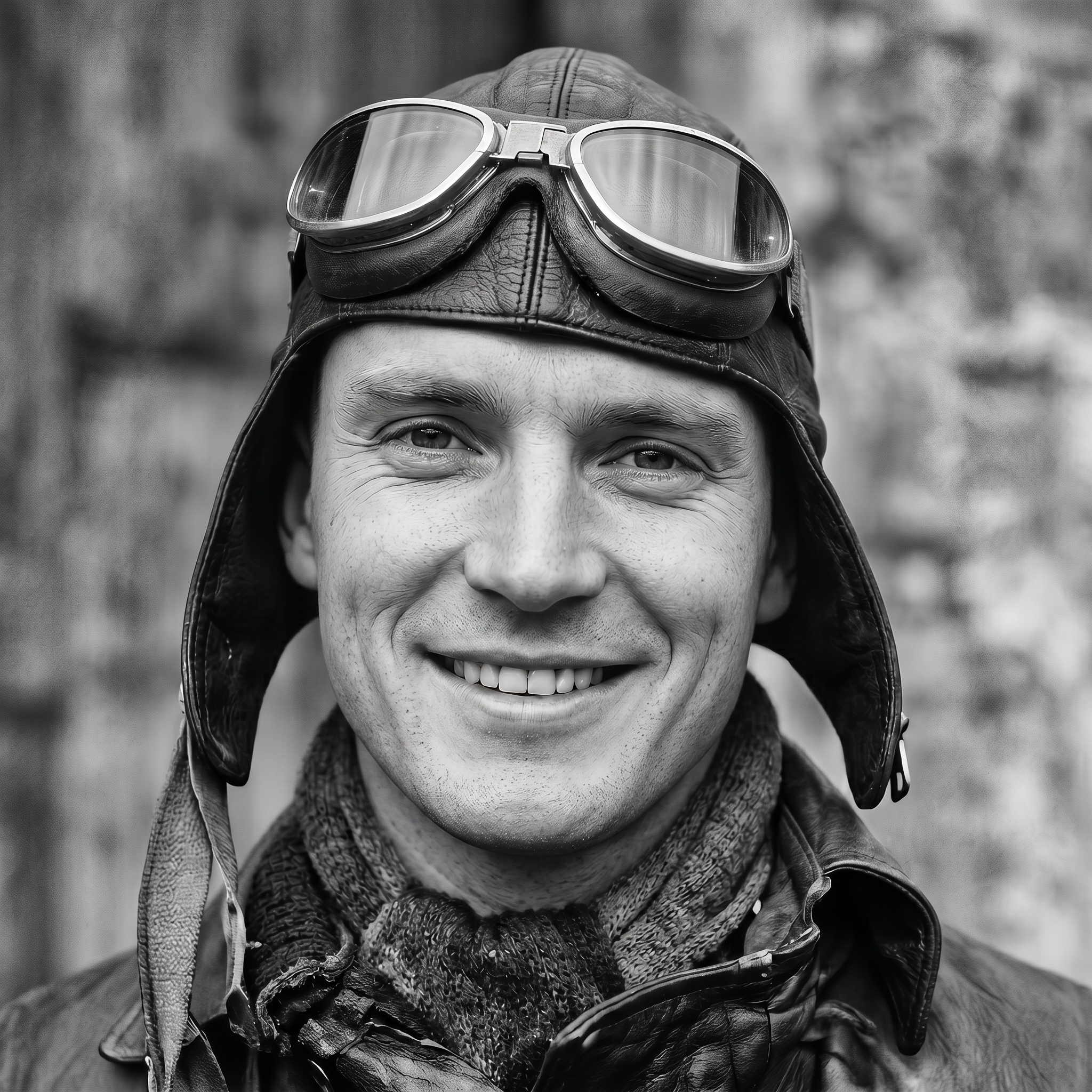
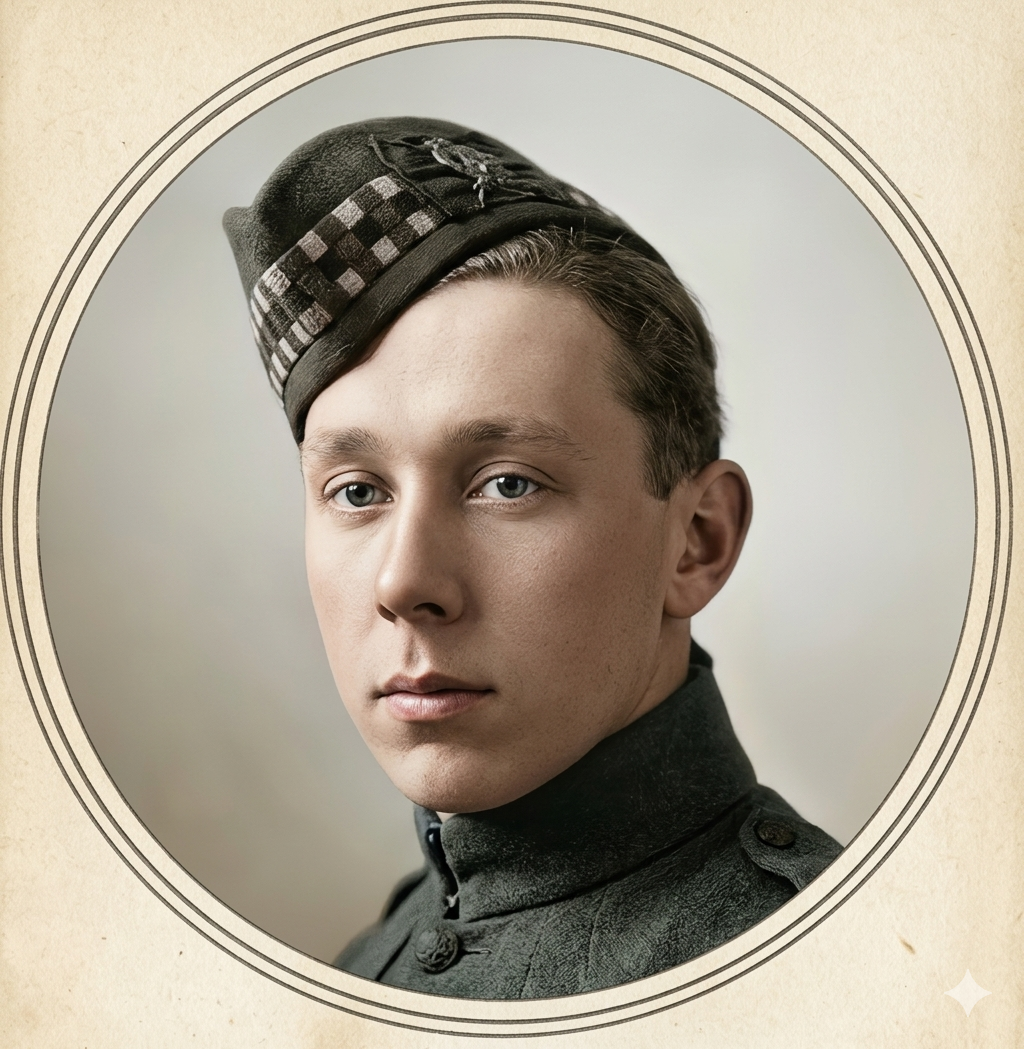
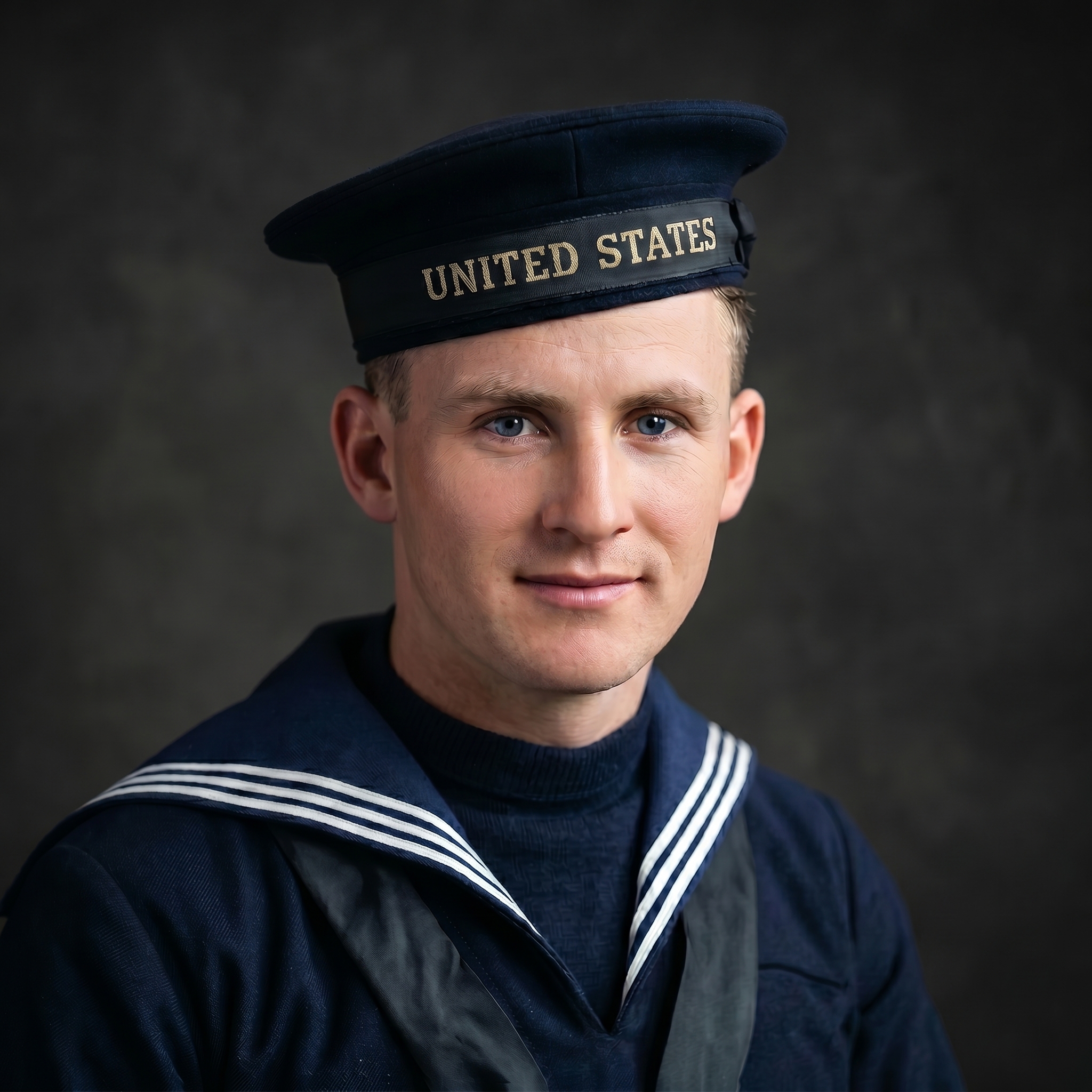
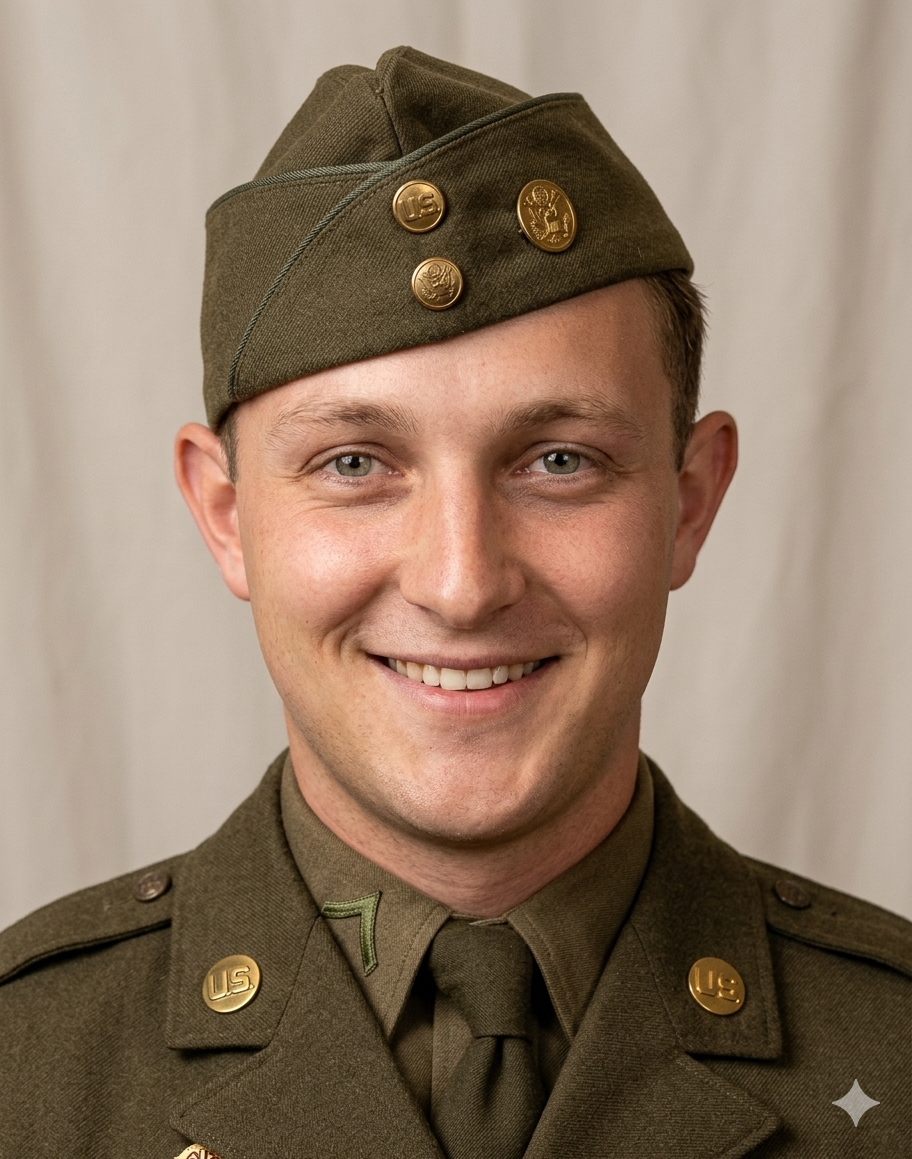
Photos retouchées à l'aide de l'IA tout en restant le plus fidèle possible aux originaux
Photos retouched using AI to remain as faithful as possible to the originals







Les discours
René Doudard
Le dimanche 27 juin 1918, les pilotes des deux premiers avions arrivés au camp offrirent un spectacle aérien, au cours duquel l’avion du Lieutenant Gilbert Morrisson s’écrasa en mer, entraînant son hospitalisation à Nantes pendant un mois plus trois semaines de convalescence ici au camp.En février 1919, le dernier accident grave (consécutif à une hypoxie) nécessita l’évacuation sur une civière de l’aviateur vers les États-Unis.
La formation des aviateurs et des observateurs américains pendant la Grande Guerre était urgente mais elle était risquée, et la compétence a souvent été acquise au détriment de la sécurité. Mais qualifier la sécurité des avions de la Grande Guerre revient à décrire une ère de pionniers où le risque était une composante structurelle du vol. À l'époque, on parlait de survie technique.
Les accidents, plus que les combats, ont causé la majorité des décès dans le Service Aérien, 203 morts dans les écoles de formation AEF, dont 14 à Saint-Jean-de-Monts. Les accidents mortels sont causés par le crash et parfois l'incendie à la suite d’une vrille, d’un piqué, d’un décrochage, d’une glissade latérale, d’une collision avec un autre avion ou un ballon, ou à la suite des problèmes moteurs, de la perte de contrôle de l’avion, et au sol d’un heurt par l'hélice.En général, ces incidents résultent soit de problèmes mécaniques ou de sabotage, soit de facteurs humains tels que l’état physique et mental du pilote, le mauvais jugement, les conditions météorologiques, la fatigue, le stress, le froid et l'hypoxie en altitude et l'absence de maîtrise des urgences...Deux premiers accidents mortels ont été enregistrés en septembre, puis neuf décès ont été causés par six accidents en octobre dont deux le même jour, certains de ces accidents d’octobre probablement dus à des sabotages. Après enquête, le nombre d’accidents diminua. Un seul accident mortel survint en novembre la veille de l’Armistice et le dernier en décembre 1918.
Entre août 1918 et février de l’année suivante, la grippe espagnole a causé douze décès au camp de Saint-Jean de Monts. La propagation de la pandémie a été aggravée par la grande mobilité des militaires entre différents camps, États, Pays et continents. Ces déplacements s’effectuaient dans des conditions d’entassement dans les casernes, les trains et les navires, et favorisaient ainsi la propagation de la maladie. Faute de connaissances en virologie et d’antibiotiques à l’époque, seuls des moyens préventifs avaient été mis en œuvre.
Deux autres décès étaient dus à des problèmes intestinaux.
Ces soldats étaient originaires de 16 États, ce qui représentait environ un tiers des États-Unis d’Amérique. Tous venaient de ces régions qui avaient une importance stratégique majeure et engagée dans la guerre.La majorité des soldats décédés étaient âgés de 18 à 33 ans, avec une moyenne d’environ 24 ans ; six d’entre eux avaient seulement 22 ans.
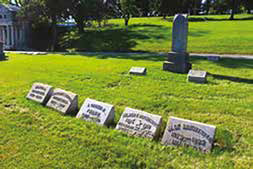
Parmi ces 28 soldats, il y avait 8 Premiers Lieutenants, 3 Seconds Lieutenants, 3 Sergents, 4 Soldats Première Classe, 9 Simples soldats et 1 Coxswain (ce marin est décédé à Barbâtre). Ils ont initialement été enterrés dans le carré militaire du cimetière de Saint-Jean-de-Monts.
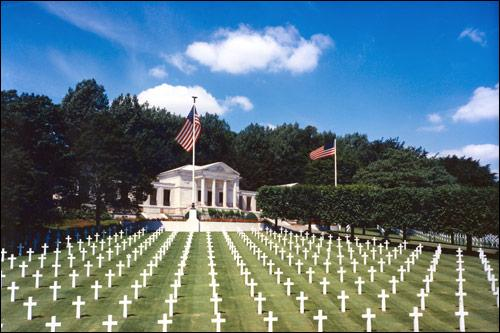
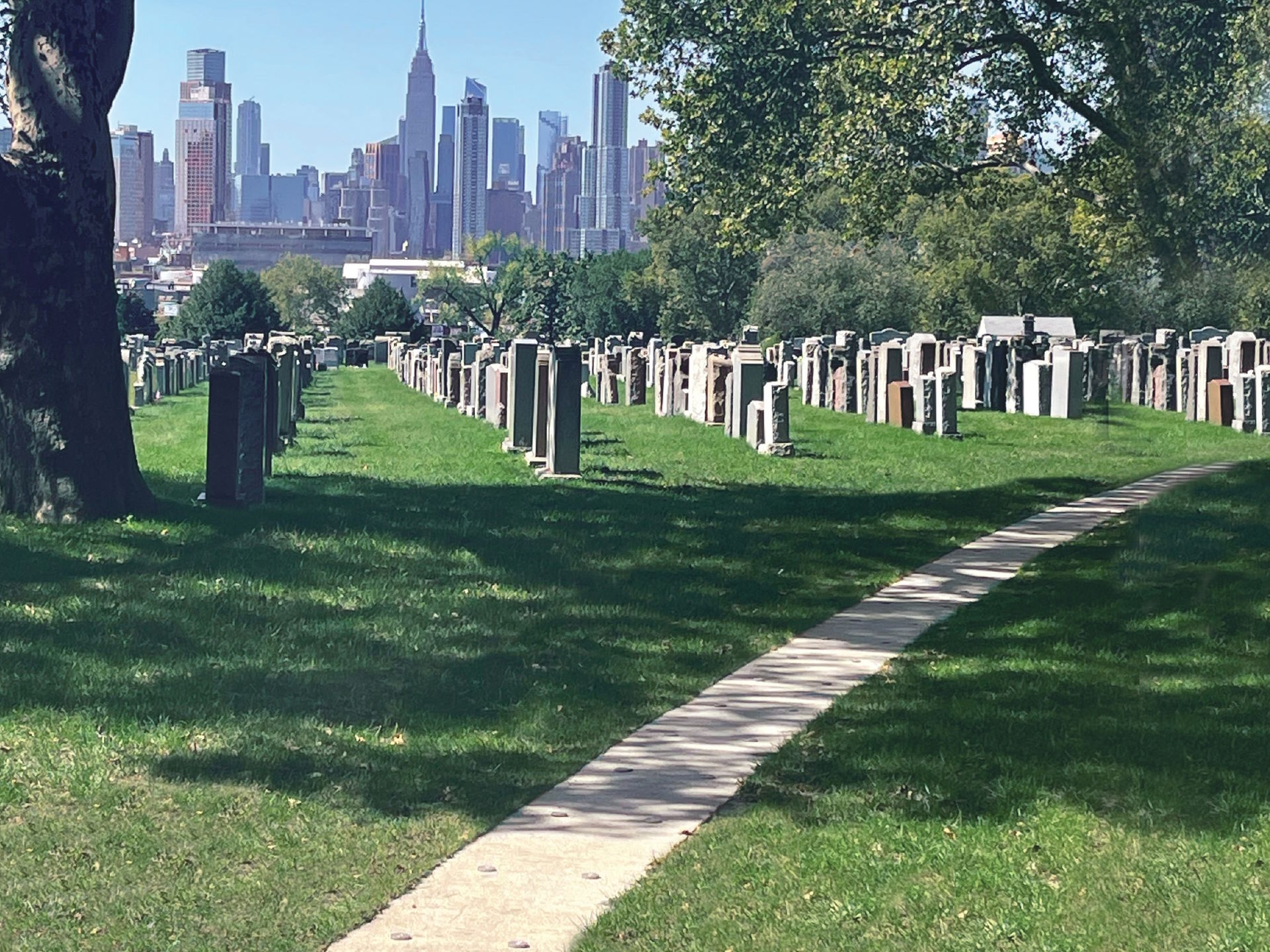
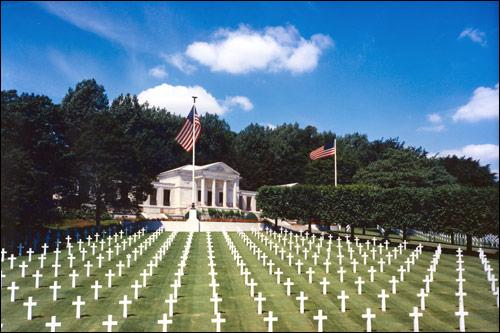
Par la suite, 18 ont été transférés dans leur comté d’origine, tandis que, à la demande de leur famille, trois ont été inhumés à Arlington, et sept au cimetière américain de Suresnes.
Nous lirons leur nom inscrit sur la plaque commémorative Le 11 novembre 1921 à Arlington, lors de la cérémonie rendant hommage au Soldat inconnu, le Général John J. Pershing a affirmé : "Time will not dim the glory of their deeds."« Le temps n’effacera pas la gloire de leurs exploits. »
***John Willard Bailey (1LT) 4 décembre 1918 (26 ans)
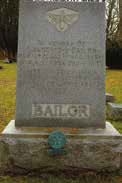
Lauwrence Britton Bailor (PFC) 3 octobre 1918 (22 ans)
Paul Louis Bathke (PFC) 1 décembre 1918 (25 ans)
Merill Jeff Blanchard (1LT) 20 octobre 1918 (23 ans)
Warren Franklin Brigham (PVT) 3 décembre 1918 (22 ans)
Wilbur Frazier Brightwell (PVT) 26 octobre 1918 (22 ans)
Charles Albert Campbell (SGT) 10 novembre 1918 (33 ans)
Roy Clydewell Carter (1LT) 20 octobre 1918 (23 ans)
Walter Cramer Crum (PFC) 1 septembre 1918 ( _ _ ans)
Perry Tucker Dailey (PVT) 16 septembre 1918 (23 ans)
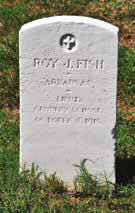
Roy Jason Fish (1LT) 3 octobre 1918 (22 ans)
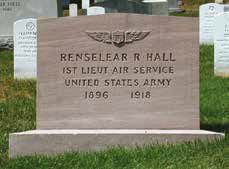
Renselear RusselL Hall (1LT) 16 septembre 1918 (22 ans)
William J. Hayden (PFC) 6 septembre 1918 (23 ans)
Leonard K. Jarstfer (PVT) 9 août 1918 (21 ans)
George Daryl Jewett (2LT) 9 novembre 1918 (23 ans)
James Patrick Moynehan (SGT) 8 septembre 1918 (24 ans)
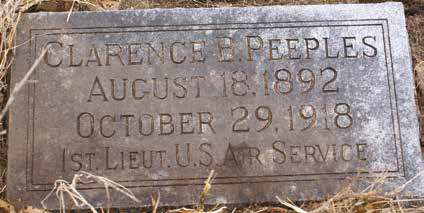
Clarence Bowlan Peeples (1LT) 29 octobre 1918 (26 ans)
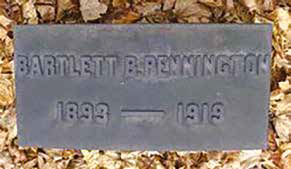
Bartlett Burt Pennington (PVT) 6 janvier 1919 (25 ans)
Sturgis « Spuddie » Pishon (1LT) 26 octobre 1918 (30 ans)
Guy Wallace Rosecrans (SGT) 16 octobre 1918 (23 ans)
Waldo E. Shillington (1LT) 5 décembre 1918 (25 ans)
George E. Stack (PVT) 17 septembre 1918 (30 ans)
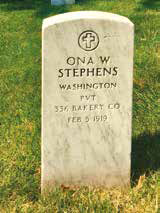
Ona William Stephens (PVT) 5 février 1919 (25 ans)
Wesley R. Swofford (PVT) 11 août 1918 (18 ans)
Albert Henry Vickers (2LT) 29 octobre 1918 (45 ans)
Luke Rogers Vickers (2LT) 6 septembre 1918 (23 ans)
John Williams (PVT) 14 septembre 1918 (_ _ ans)
Harold Hubert College (Coxswain) 24 décembre 1918 (22 ans)
Saint-Hilaire de Riez, Rond-point des Bégonias le 1er mai 2026 à 18h, Inauguration du monument commémoratif en hommage à ces soldats américains.
english version
On Sunday 27 June 1918, the pilots of the first two aircraft to arrive at the camp put on an air show, during which Lieutenant Gilbert Morrisson’s aircraft crashed into the sea, resulting in his hospitalisation in Nantes for a month, followed by three weeks of convalescence here at the camp. In February 1919, the last serious accident (resulting from hypoxia) required the airman to be evacuated on a stretcher to the United States.
The training of American airmen and observers during the Great War was urgent but risky, and proficiency was often acquired at the expense of safety. But to describe the safety of First World War aircraft is to describe a pioneering era in which risk was a structural component of flight. At the time, the term ‘technical survival’ was used.
Accidents, rather than combat, caused the majority of deaths in the Air Service, with 203 fatalities at AEF training schools, including 14 at Saint-Jean-de-Monts. Fatal accidents were caused by crashes and sometimes fires following a spin, a nosedive, a stall, a sideslip, a collision with another aircraft or a balloon, or as a result of engine problems, loss of control of the aircraft, and propeller strikes on the ground. Generally, these incidents result either from mechanical problems or sabotage, or from human factors such as the pilot’s physical and mental condition, poor judgement, weather conditions, fatigue, stress, cold and altitude hypoxia, and a lack of emergency response skills... The first two fatal accidents were recorded in September, followed by nine deaths caused by six accidents in October, two of which occurred on the same day; some of these October accidents were probably due to sabotage. Following an investigation, the number of accidents decreased. A single fatal accident occurred in November on the eve of the Armistice, and the last in December 1918.
Between August 1918 and February of the following year, the Spanish flu caused twelve deaths at the Saint-Jean de Monts camp. The spread of the pandemic was exacerbated by the high mobility of soldiers between different camps, states, countries and continents. These movements took place in overcrowded conditions in barracks, trains and ships, thereby facilitating the spread of the disease. Due to a lack of knowledge of virology and antibiotics at the time, only preventive measures had been implemented.
Two further deaths were due to intestinal problems.
These soldiers hailed from 16 states, representing roughly one-third of the United States of America. All came from regions of major strategic importance that were involved in the war. The majority of the soldiers who died were aged between 18 and 33, with an average age of around 24; six of them were only 22 years old.
Among these 28 soldiers were 8 First Lieutenants, 3 Second Lieutenants, 3 Sergeants, 4 Privates First Class, 9 Privates and 1 Coxswain (this sailor died in Barbâtre). They were initially buried in the military section of the Saint-Jean-de-Monts cemetery.
Subsequently, 18 were transferred to their home counties, whilst, at the request of their families, three were buried at Arlington, and seven at the American cemetery in Suresnes.
We shall read their names inscribed on the commemorative plaque. On 11 November 1921 at Arlington, during the ceremony honouring the Unknown Soldier, General John J. Pershing declared: "Time will not dim the glory of their deeds." "
***John Willard Bailey (1LT) 4 December 1918 (aged 26)
Lawrence Britton Bailor (PFC) 3 October 1918 (aged 22)
Paul Louis Bathke (PFC) 1 December 1918 (aged 25)
Merill Jeff Blanchard (1LT) 20 October 1918 (aged 23)
Warren Franklin Brigham (PVT) 3 December 1918 (aged 22)
Wilbur Frazier Brightwell (PVT) 26 October 1918 (aged 22)
Charles Albert Campbell (SGT) 10 November 1918 (aged 33)
Roy Clydewell Carter (1LT) 20 October 1918 (aged 23)
Walter Cramer Crum (PFC) 1 September 1918 ( _ _ years old)
Perry Tucker Dailey (Pvt) 16 September 1918 (aged 23)
Roy Jason Fish (1st Lt) 3 October 1918 (aged 22)
Renselear Russel L. Hall (1st Lt) 16 September 1918 (aged 22)
William J. Hayden (PFC) 6 September 1918 (aged 23)
Leonard K. Jarstfer (Pvt) 9 August 1918 (aged 21)
George Daryl Jewett (2nd Lt) 9 November 1918 (aged 23)
James Patrick Moynehan (Sgt) 8 September 1918 (aged 24)
Clarence Bowlan Peeples (1LT) 29 October 1918 (aged 26)
Bartlett Burt Pennington (PVT) 6 January 1919 (aged 25)
Sturgis ‘Spuddie’ Pishon (1LT) 26 October 1918 (aged 30)
Guy Wallace Rosecrans (SGT) 16 October 1918 (aged 23)
Waldo E. Shillington (1LT) 5 December 1918 (aged 25)
George E. Stack (PVT) 17 September 1918 (aged 30)
Ona William Stephens (PVT) 5 February 1919 (aged 25)
Wesley R. Swofford (Pvt) 11 August 1918 (aged 18)
Albert Henry Vickers (2nd Lt) 29 October 1918 (aged 45)
Luke Rogers Vickers (2nd Lt) 6 September 1918 (aged 23)
John Williams (Pvt) 14 September 1918 (_ _ years old)
Harold Hubert College (Coxswain) 24 December 1918 (aged 22)
Saint-Hilaire de Riez, Rond-point des Bégonias on 1 May 2026 at 6 pm, Unveiling of the memorial to American soldiers
Tony Erceau
Aujourd'hui, l'évocation de la Première Guerre mondiale résonne avec des noms comme : tranchées, poilus, peu connaissent la résonance vécue ici, dans notre pays vendéen, et plus précisément sur notre littoral.
Ce sont en effet 86 bateaux civils et/ou militaires qui furent coulés entre 1914 et 1918 dans le secteur de l'embouchure de la Loire jusqu'à l'anse de l'Aiguillon. Ces pertes verront 860 marins périrent en mer oubliés de tous.
Après le décès de Lazare Ponticelli en 2008, notre dernier combattant de la Première Guerre mondiale, il nous reste les témoignages, les récits, les archives et les souvenirs familiaux...
De ces archives, la présence de nos alliés américains fut totalement méconnue et oubliée jusqu'en 2003. Notre territoire a pourtant accueilli en nombre les troupes de l'oncle Sam.
Barbâtre avec la Naval Air Station : base d'hydravions pour la protection des convois et la reconnaissance côtière. Les Sables d'Olonne avec son port secondaire pour l'approvisionnement. Saint-Hilaire-de-Riez et Saint-Jean-de-Monts avec son école d'entraînement au tir aérien.
Merci à l'association Histoire, Culture et Patrimoine des Pays de Rié pour son investissement mémoriel.
Après différents échanges et plusieurs rencontres avec Patrick Avrillas, l'envie de poursuivre et d'étendre les connaissances se concrétise grâce et avec le concours formidable de mon ami Richard Shieldhouse, citoyen américain de Floride.
Avec lui, nous avons parcouru les archives de la NARA à Washington, la Librairie du Congrès et diverses archives universitaires via le web. Le résultat de ces recherches nous procure de nouveaux témoignages et de superbes photos qui nous éclairent sur notre passé commun durant la Première Guerre mondiale au pays maraîchin.
Ils ont fait la grande Histoire, nous en sommes les dépositaires ; à nous de savoir collecter et transmettre aujourd'hui notre passé aux générations futures.
Tony Erceau
English version
“Today, when we think of the First World War, words like ‘trenches’ and ‘poilus’ immediately spring to mind; few people are aware of the impact it had here, in our region of Vendée, and more specifically on our coastline.
In fact, 86 civilian and/or military vessels were sunk between 1914 and 1918 in the area stretching from the mouth of the Loire to the Anse de l’Aiguillon. These shipwrecks claimed the lives of 860 sailors at sea, who have since been forgotten.
Following the death of Lazare Ponticelli in 2008, our last First World War veteran, all we have left are testimonies, accounts, archives and family memories...
In these archives, the presence of our American allies was completely overlooked and forgotten until 2003.
Yet our region welcomed a large number of Uncle Sam’s soldiers.
Barbâtre, with its naval air base: a seaplane base for convoy protection and coastal reconnaissance. Les Sables d’Olonne, with its secondary port for resupply. Saint-Hilaire-de-Riez–Saint-Jean-de-Monts, with its aerial shooting school.
Thank you to the Association for the History, Culture and Heritage of the Pays de Riez for its commitment to preserving this history.
Following various discussions and several meetings with Patrick Avrillas, the desire to continue and deepen our knowledge came to fruition thanks to, and with the unwavering support of, my friend Richard Shieldhouse, an American citizen originally from Florida.
Together with him, we combed through the archives of the NARA in Washington, the Library of Congress and various university archives via the Internet. The results of this research have provided us with new accounts and superb photographs that shed light on our shared past during the First World War in the Maraichin region.
They wrote history; we are its custodians. It is now up to us to gather and pass on our past to future generations.
Tony Erceau
Colonel rakoto
Madame le Maire de Saint-Hilaire de Riez,
Mesdames et Messieurs les adjoints,
Mesdames et messieurs les représentants des associations,
Mesdames et messieurs,
L'organisation du centenaire que nous célèbrons aujourd'hui à été notamment soutenue par l'office national des combattants et des victimes de guerre, mais Valentin Josse, directeur pour la Vendée, ne pouvait être présent et il m'a demandé de l'excuser auprès de vous.
Je parlerai pour ma part à titre privé, en qualité d'historien militaire, spécialiste des États-Unis. Et pourtant... petit-fils d'un Vendéen de Pissotte, voilà 54 ans que je viens en vacances aux Demoiselles et j'ai appris l'existence d'un camp américain il y a seulement deux ans ! Mais le timing était le bon puisque cela m'a permis de faire la connaissance de Patrick Avrillas, président d'histoire culture et patrimoine des pays de Rié et de Vie, et de m'impliquer avec bonheur auprès de lui et des membres de l'association dans l'élaboration des projets de commémoration du centenaire du quartier des Demoiselles pour la partie américaine.
J'en profite pour vous adresser les remerciements de l'ambassade des États-Unis pour l'hommage qui est rendu ce jour aux 28 soldats américains morts sur ces terres entre 1918 et 1919, remerciements auxquels s'associe l'American Battle Monument Commission, qui veille sur les dépouilles de 7 d'entre eux au cimetière américain de Suresnes. Je peux d'ailleurs vous annoncer que les autorités américaines envisagent'une visite officielle sur ce site à l'été.
En ces temps difficiles, cette cérémonie nous rappelle la solidité des liens qui unissent la France et les États-Unis, et aucun effort n'est vain quand il s'agit de rassembler les peuples en honorant ceux qui sont tombés pour eux.
Je vous remercie.
ENGLISH VERSION
Madam Mayor of Saint-Hilaire de Riez,
Deputy Mayors,
Representatives of the associations,
Ladies and gentlemen,
The organisation of the centenary we are celebrating today has been supported in particular by the National Office for Veterans and War Victims, but Valentin Josse, Director for the Vendée, was unable to attend and has asked me to convey his apologies to you.
I shall speak here in a personal capacity, as a military historian specialising in the United States. And yet... as the grandson of a man from Pissotte in the Vendée, I have been coming on holiday to Les Demoiselles for 54 years, and I only learnt of the existence of an American camp two years ago! But the timing was right, as it allowed me to meet Patrick Avrillas, President of the History, Culture and Heritage Association of the Rié and Vie regions, and to happily get involved with him and the members of the association in developing projects to commemorate the centenary of the Demoiselles district on the American side.
I would like to take this opportunity to convey the thanks of the US Embassy for the tribute being paid today to the 28 American soldiers who died on this soil between 1918 and 1919, a sentiment shared by the American Battle Monument Commission, which looks after the remains of seven of them at the American Cemetery in Suresnes. I can also announce that the US authorities are planning an official visit to this site in the summer.
In these difficult times, this ceremony reminds us of the strength of the bonds that unite France and the United States, and no effort is in vain when it comes to bringing peoples together by honouring those who fell for them.
Thank you.
Le scuplteur : Stéphane Dugied
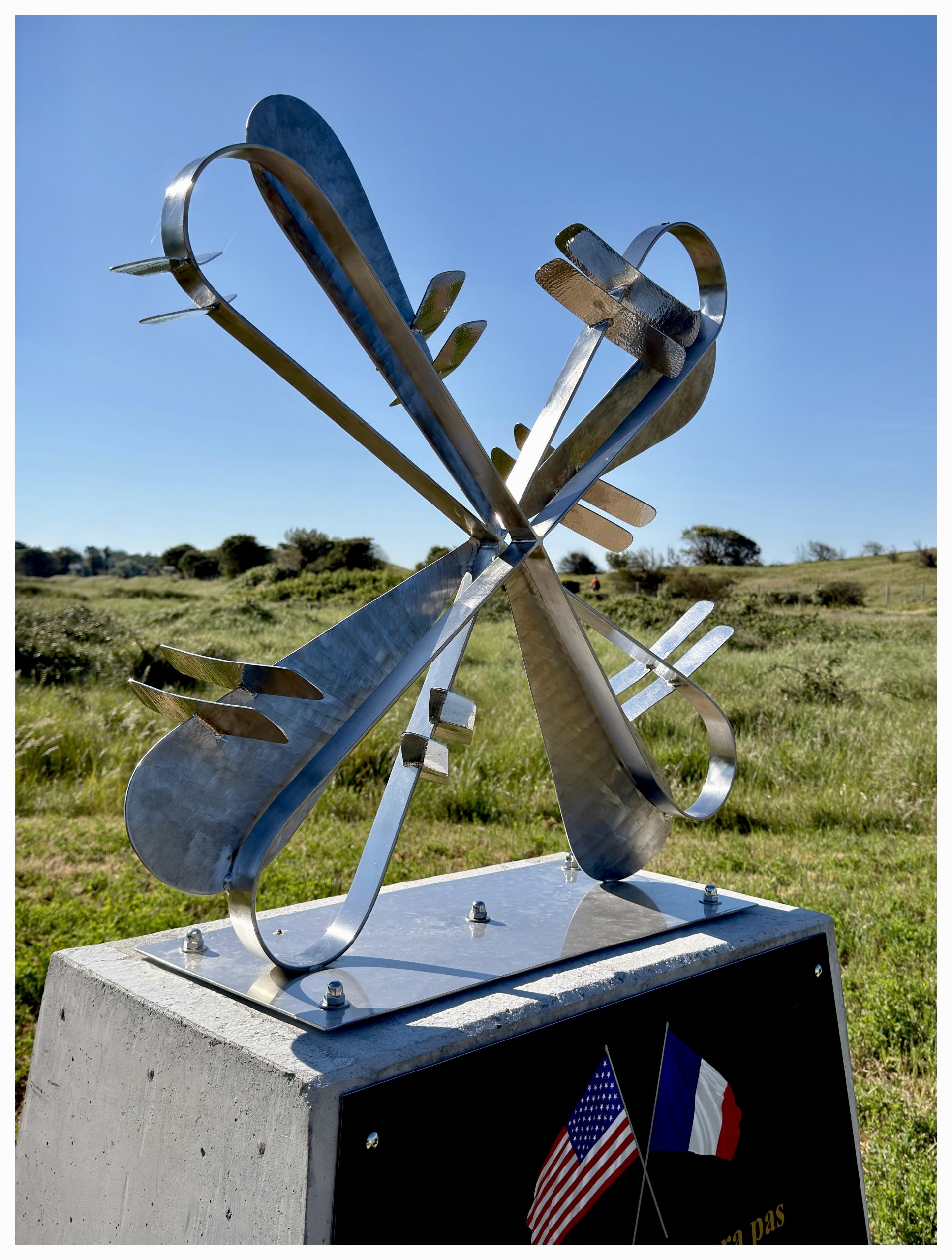
J’ai choisi de représenter des hélices d’avion, symboles à la fois de mouvement, de progrès et d’espoir. Autour d’elles, sept biplans en vol semblent suspendus dans le temps. Ils évoquent ces jeunes hommes qui ont pris leur envol, portés par le devoir, le courage, et parfois l’inconscience d’une époque qui avançait plus vite que sa propre compréhension du danger.
Le choix de l’inox n’est pas anodin. Ce matériau capte la lumière, reflète le ciel, et change selon les heures et les saisons. Il inscrit l’œuvre dans le présent, tout en la reliant en permanence à l’infini du ciel — celui que ces aviateurs ont traversé, et où certains ont trouvé la mort. C’est une matière qui résiste au temps, comme la mémoire que nous souhaitons préserver.
Stéphane Dugied
ENGLISH VERSION
I chose to depict aeroplane propellers, symbols of movement, progress and hope. Surrounding them, seven biplanes in flight appear suspended in time. They evoke those young men who took to the skies, driven by a sense of duty, courage, and sometimes the recklessness of an era that was moving faster than its own understanding of the danger.
The choice of stainless steel is no accident. This material captures the light, reflects the sky, and changes with the hours and seasons. It anchors the work in the present, whilst constantly linking it to the infinity of the sky — the one these aviators flew through, and where some met their deaths. It is a material that stands the test of time, just like the memory we wish to preserve.
Stéphane Dugied
Lettre de la Contre-amiral Rosanne M. LeVitre, Marine des États-Unis, à la retraite
Nous félicitons M. Erceau pour son intérêt constant et sa diligence dans l'étude des liens tissés en temps de guerre entre les États-Unis et la France. Ses efforts ont touché et éclairé de nombreuses personnes des deux côtés de l'Atlantique.
Nous aurions souhaité pouvoir être présents à vos côtés pour cette célébration et cette commémoration.
C’est, semble-t-il, une excellente occasion de réfléchir aux liens qui unissent les États-Unis et la France. La journée d’aujourd’hui commémore les liens tissés en temps de guerre au cours du XXe siècle
Les liens entre les États-Unis et la France remontent à une époque antérieure à la Révolution américaine et perdurent jusqu'à ce jour. La France s'est tenue aux côtés des patriotes américains qui luttaient pour leur indépendance vis-à-vis de la Grande-Bretagne ; sans l'aide des Français — sans des hommes tels que le marquis La Fayette, le comte de Rochambeau et le Comte de Grasse — la Révolution américaine n'aurait pu aboutir.
En 1778, la France fut la première nation à reconnaître les États-Unis comme nation libre et souveraine.
Pour toutes ces raisons, de part et d'autre du bureau du Président, au sein de la Chambre des représentants des États-Unis, ne figurent que deux portraits : l'un de George Washington et l'autre du marquis de La Fayette.
Ces liens avec la France se sont perpétués tout au long de l'histoire des États-Unis. En 1916 et 1917, des pilotes volontaires américains ont combattu aux côtés des Français au sein de l'Escadrille La Fayette (initialement appelée l'Escadrille américaine) et, en 1917, les troupes américaines ont commencé à arriver en France.
En 1944-1945, les États-Unis, aux côtés de leurs camarades des Forces françaises libres, ont libéré la France. Après les attentats terroristes du 11 septembre sur le sol américain, la France nous a soutenus dans nos campagnes visant à contrecarrer et à démanteler Al-Qaïda ainsi que d'autres groupes terroristes.
Des liens dont certains revêtent un caractère profondément personnel.
À la fin des années 1600, un jeune charpentier de marine originaire de Dieppe, Guillaume Levitre, se rendit à Saint-Pierre-Saint-Laurent, au Québec, en Nouvelle-France. C’est là qu’en 1690, il se maria, s’établit et fonda une famille.
Une partie de la famille LeVitre quitta le Canada en 1884 pour s’installer à Moorehead, dans l’état de Minnesota, où mon grand-père, Aloysius Frederic LeVitre, vit le jour en 1894.
En 1917, il devint mécanicien d’hydravions au sein de la marine des États-Unis ; il fut envoyé en France avec son escadron, affecté à une base aéronavale nouvellement créée à Barbâtre : la NAS Fromentine. C’est là qu’il fit la connaissance de ma grand-mère, Angélique Élise Octavie Crochet. Ils ont été unis par le mariage en 1919 à La Barre-de-Monts. Ils émigrèrent aux États-Unis au début des années 1920 et perpétuèrent les traditions françaises tout au long de leur vie.
Les liens entre les États-Unis et la France ont perduré et demeurent intacts. Nous en sommes profondément reconnaissants.
Vive la France ! Vive l’États-Unis ! Vive l’amitié !
Contre-amiral Rosanne M. LeVitre, Marine des États-Unis, à la retraite
Commandant Lars P. Hanson, Marine des États-Unis, à la retraite
English version
We congratulate Mr Erceau on his unwavering interest and diligence in researching the ties forged between the United States and France during the war. His efforts have touched and enlightened many people on both sides of the Atlantic.
We would have liked to have been there with you for this celebration and commemoration.
This seems to be an excellent opportunity to reflect on the ties that bind the United States and France. Today marks the bonds forged in times of war throughout the 20th century
The ties between the United States and France date back to a time before the American Revolution and continue to this day. France stood shoulder to shoulder with the American patriots fighting for their independence from Great Britain; without the help of the French — without men such as the Marquis de La Fayette, the Count of Rochambeau and the Count of Grasse — the American Revolution could not have succeeded.
In 1778, France was the first nation to recognise the United States as a free and sovereign nation.
For all these reasons, on either side of the President’s desk in the United States House of Representatives, there are only two portraits: one of George Washington and the other of the Marquis de La Fayette.
These ties with France have endured throughout the history of the United States. In 1916 and 1917, American volunteer pilots fought alongside the French in the Escadrille La Fayette (originally called the American Escadrille) and, in 1917, American troops began arriving in France.
In 1944–1945, the United States, alongside their comrades in the Free French Forces, liberated France. Following the 9/11 terrorist attacks on American soil, France supported us in our campaigns to counter and dismantle Al-Qaeda and other terrorist groups.
Bonds, some of which are deeply personal.
In the late 1600s, a young shipwright from Dieppe, Guillaume Levitre, travelled to Saint-Pierre-Saint-Laurent, in Quebec, New France. It was there that, in 1690, he married, settled down and started a family.
Part of the LeVitre family left Canada in 1884 to settle in Moorehead, Minnesota, where my grandfather, Aloysius Frederic LeVitre, was born in 1894.
In 1917, he became a seaplane mechanic in the United States Navy; he was sent to France with his squadron, posted to a newly established naval air station at Barbâtre: NAS Fromentine. It was there that he met my grandmother, Angélique Élise Octavie Crochet. They were married in 1919 in La Barre-de-Monts. They emigrated to the United States in the early 1920s and upheld French traditions throughout their lives.
The ties between the United States and France have endured and remain intact. We are deeply grateful for this.
Long live France! Long live the United States! Long live friendship!
Rear Admiral Rosanne M. LeVitre, US Navy (retired)
Commander Lars P. Hanson, US Navy (retired)